
Cash Assistance
What it is, and how it helps older people
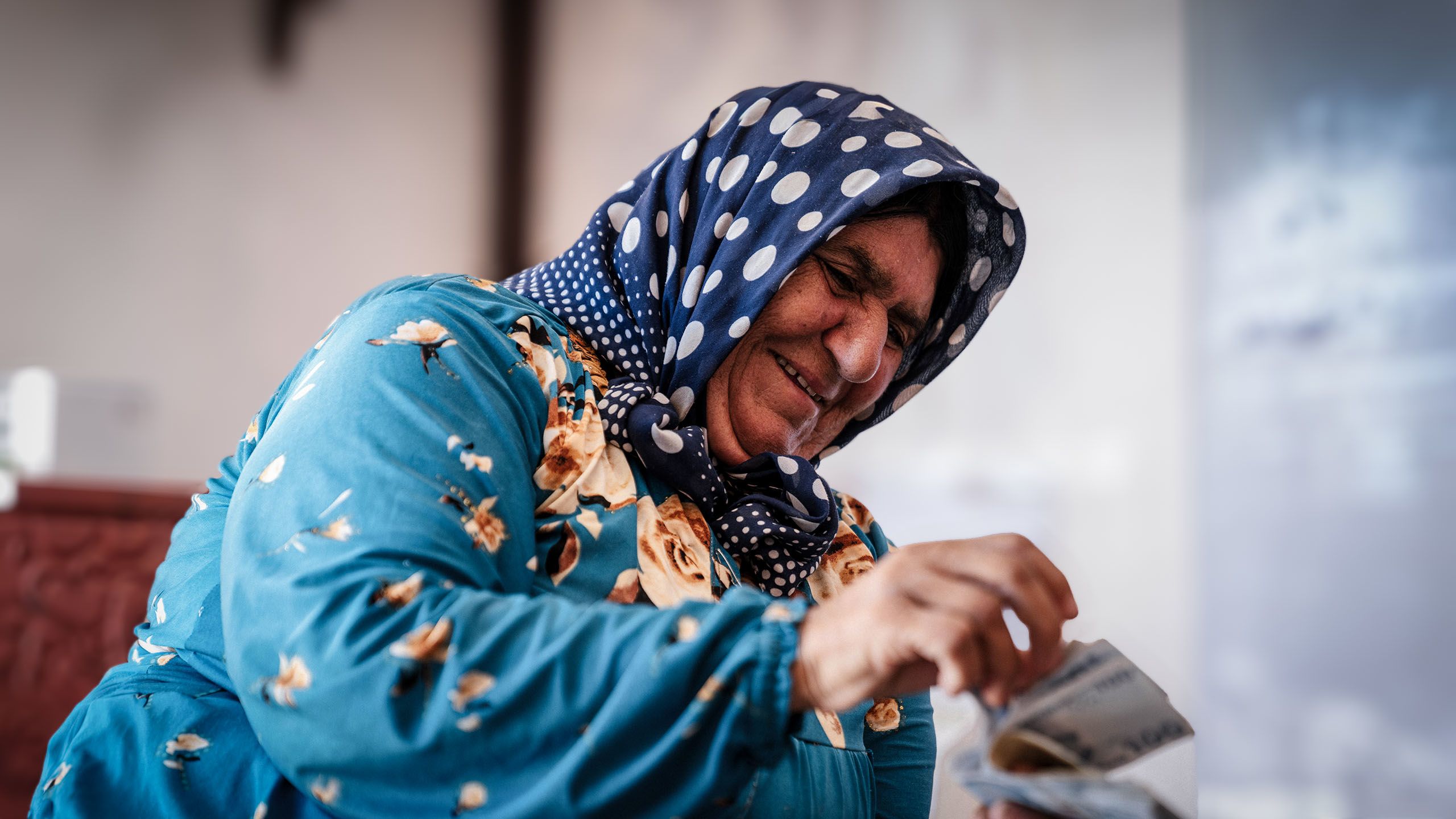

For many older people around the world, receiving cash can be the difference between buying food and going hungry.
At Age International, we work with our partners to give cash assistance to older people in local communities. Read on to learn:
- What cash assistance is;
- How, when and why we give cash to older people;
- The impact cash can have on older people's lives.

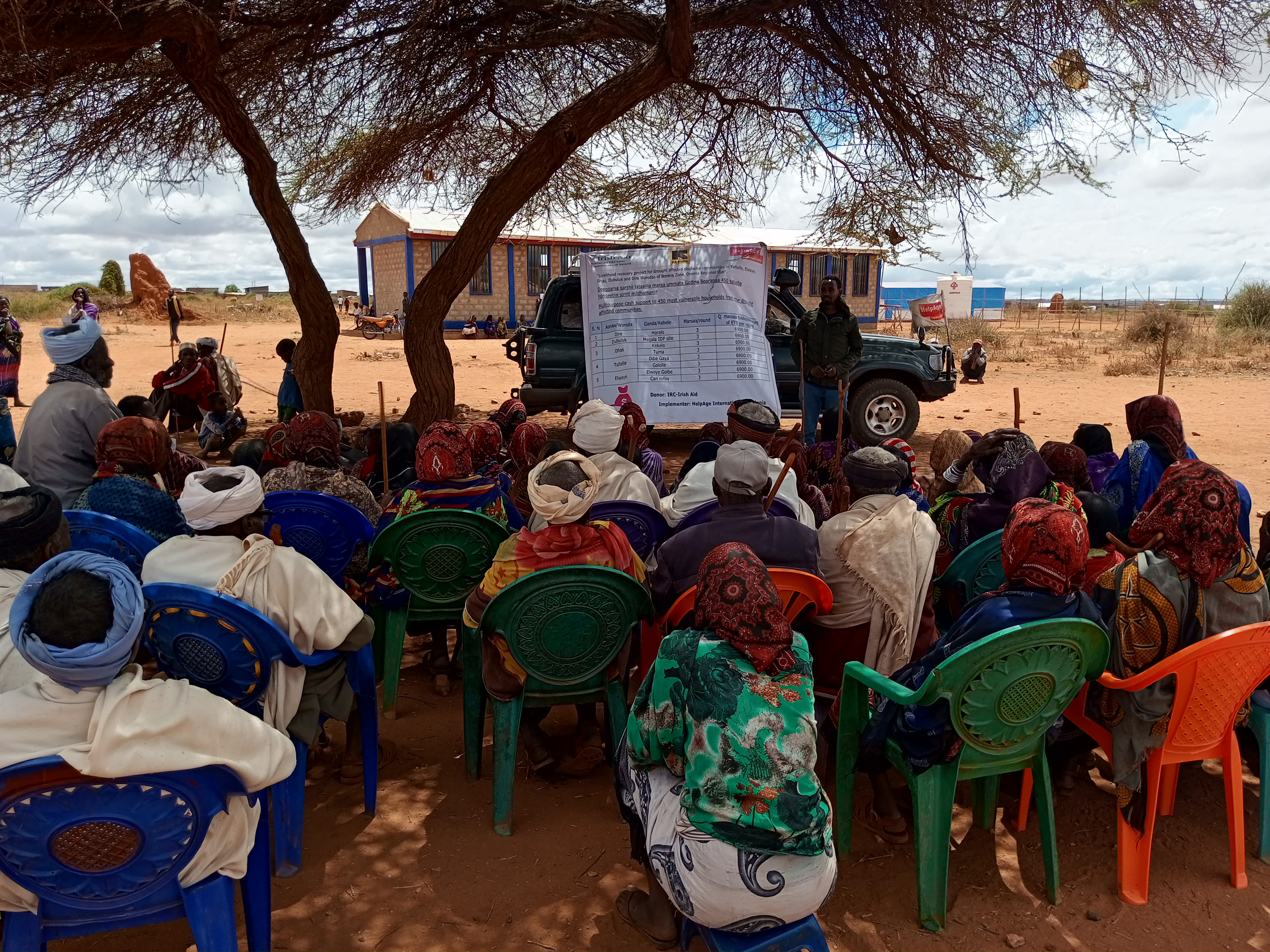
In this article, we talk about giving “cash”, “cash assistance”, and “cash transfers”. While each of these terms has a slightly different meaning, for the purpose of this article we use them interchangeably to mean giving cash to individuals to help them meet their basic needs.
What is Cash Assistance?
Cash assistance is the practice of giving cash donations directly to an individual in need of support, rather than providing them with physical objects such as food or medicine. It comes in two forms:
Unconditional: Also known as non-conditional or multipurpose cash, this is when you give people cash, and they have freedom to spend it as they want. It is usually given through a digital bank transfer, though can also be given in physical cash.
Conditional: This is where there are restrictions around how people can spend the cash they are given. For example, vouchers can be given that allow people to buy something more specific – such as an emergency shelter.

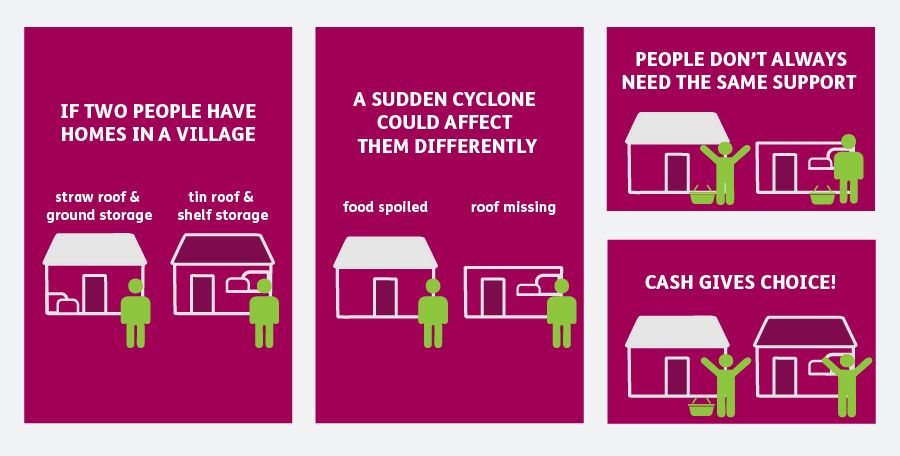
Cash transfers give agency to people; they are able to choose and buy what they need. Cash gives power to the communities and individuals who are closest to the problems. Often with cash, people might use the money to buy goods to help with their business. So, it can often do more than just provide a temporary solution – it can provide a long-term income. Cash provides autonomy, flexibility, and dignity.
Cash assistance is the practice of giving cash donations directly to an individual in need of support, rather than providing them with physical objects such as food or medicine. It comes in two forms:
Unconditional: Also known as non-conditional or multipurpose cash, this is when you give people cash, and they have freedom to spend it as they want. It is usually given through a digital bank transfer, though can also be given in physical cash.
Conditional: This is where there are restrictions around how people can spend the cash they are given. For example, vouchers can be given that allow people to buy something more specific – such as an emergency shelter.

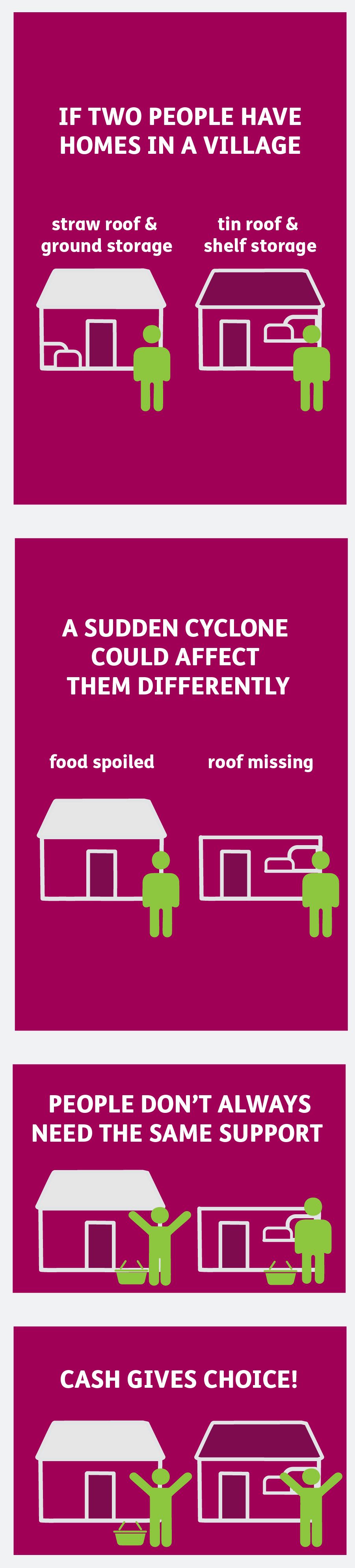
Cash transfers give agency to people; they are able to choose and buy what they need. Cash gives power to the communities and individuals who are closest to the problems. Often with cash, people might use the money to buy goods to help with their business. So, it can often do more than just provide a temporary solution – it can provide a long-term income. Cash provides autonomy, flexibility, and dignity.

Cash Assistance in Action
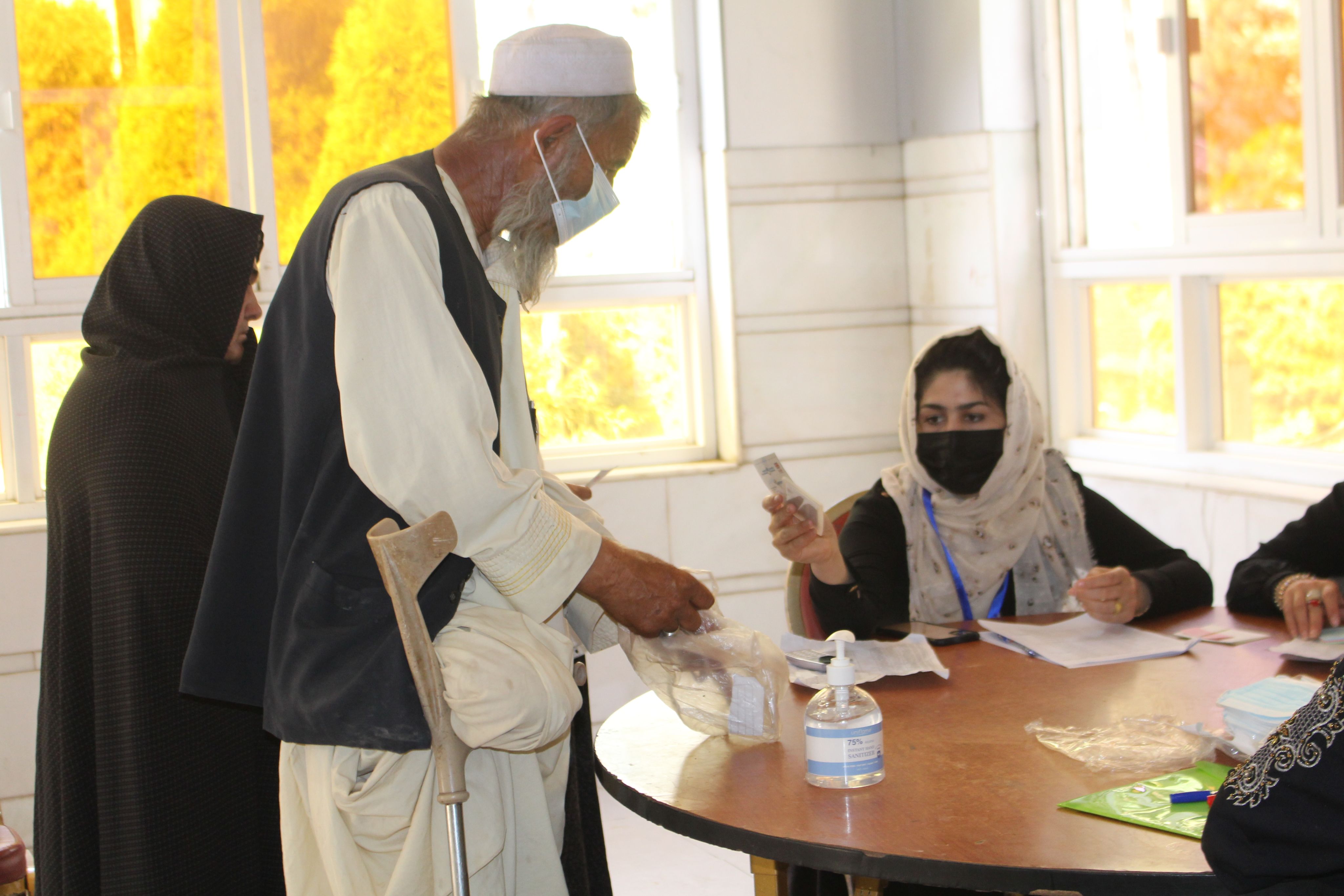
At Age International, we mostly work with partners to support older people with cash assistance in the context of humanitarian emergency response, such as in a conflict or a natural disaster like a flood. However, we also distribute cash as part of long-term development programmes. Here are two up-close examples of how we have supported older people with cash assistance.

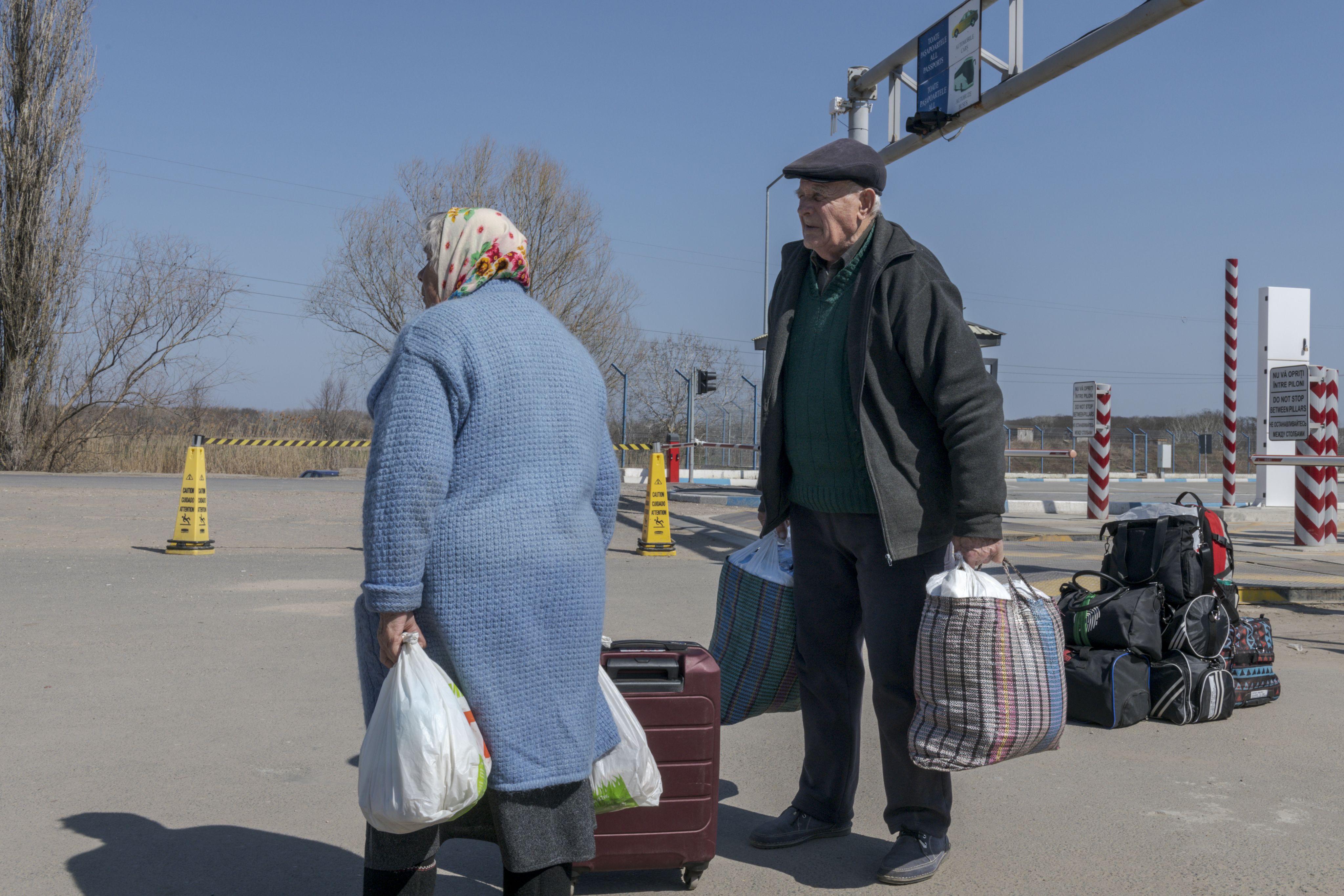
Older people crossing into Moldova from Ukraine. Credit: Israel Fuguemann / HelpAge International.
Older people crossing into Moldova from Ukraine. Credit: Israel Fuguemann / HelpAge International.
Ukraine
After nearly 10 years of conflict and two years since Russia’s full-scale invasion, fighting in Ukraine continues. 14.6 million people need humanitarian assistance, while an additional 4 million people living in areas under Russian control face acute humanitarian and protection needs.1
For many older people in Ukraine, cash is essential, particularly for those who fled their homes, bringing only what they could carry on their backs. Cash enables them to buy exactly what they have been left without, such as food or a winter coat.
Did you know? Winter temperatures in Ukraine can drop to below -20C!
Between February 2022 and February 2024, we worked with our partner HelpAge International to support over 14,400 people in Ukraine with cash assistance. We supported communities in long-term programmes, as well as those moving from east Ukraine to west Ukraine.
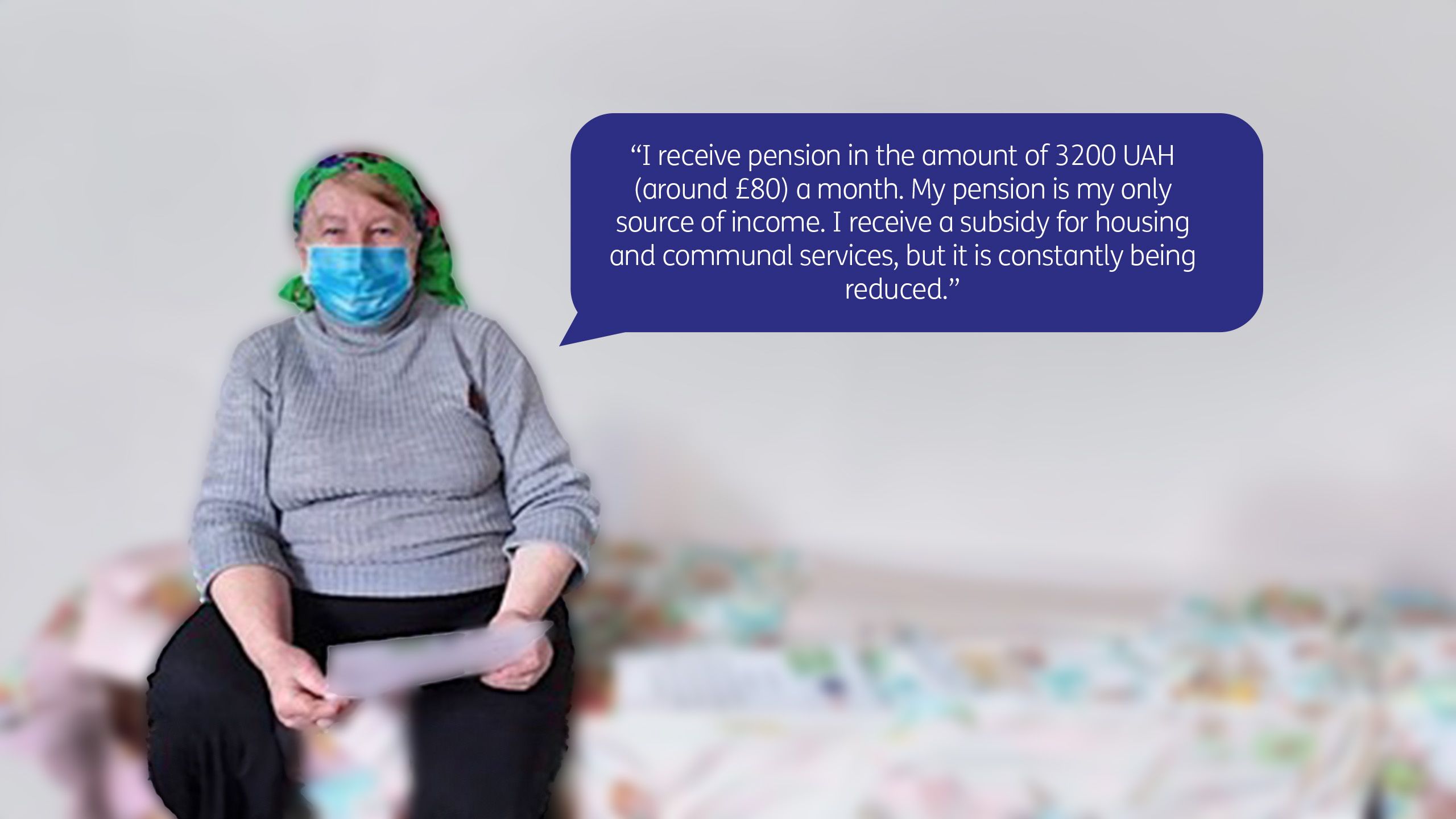
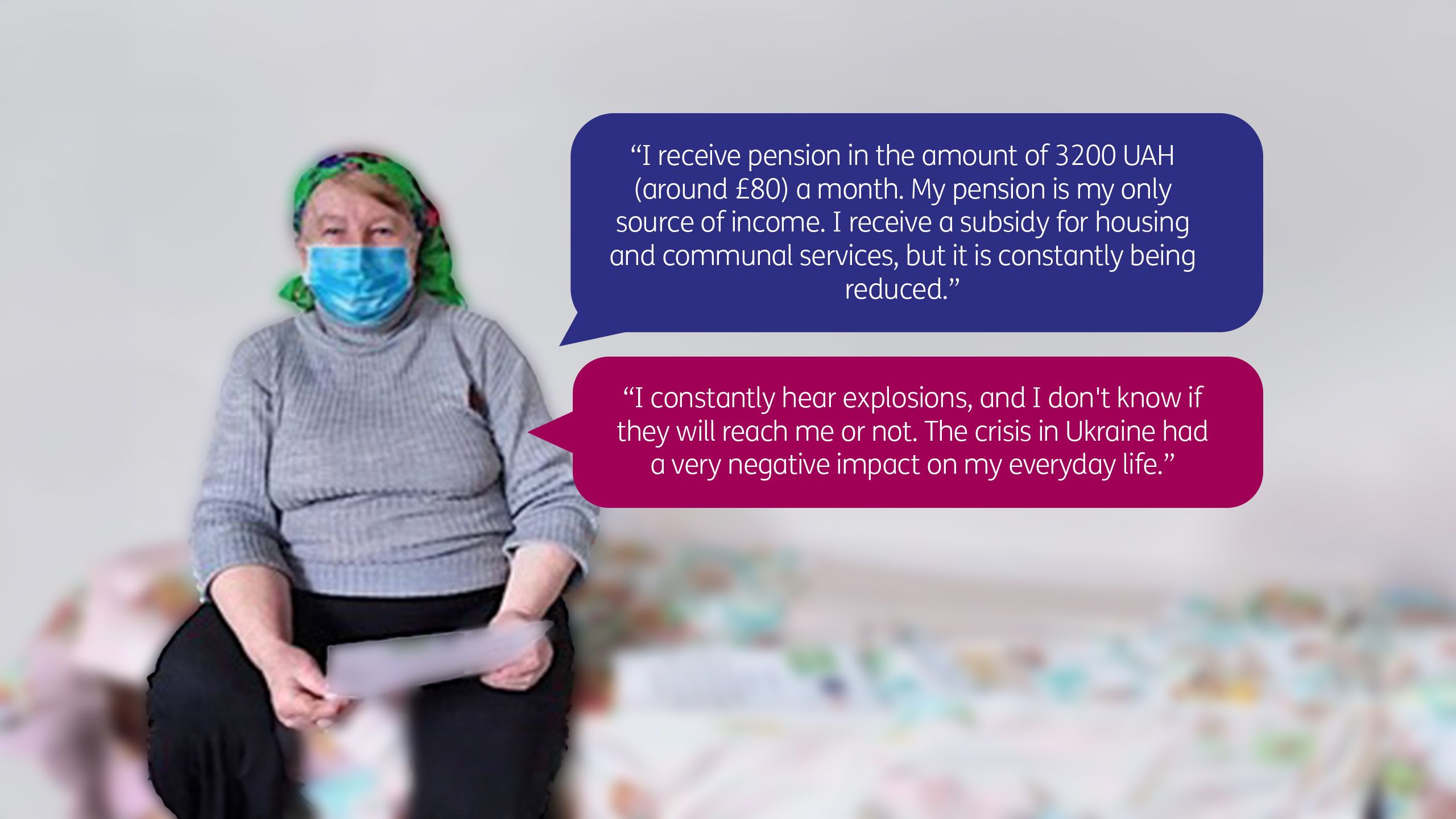
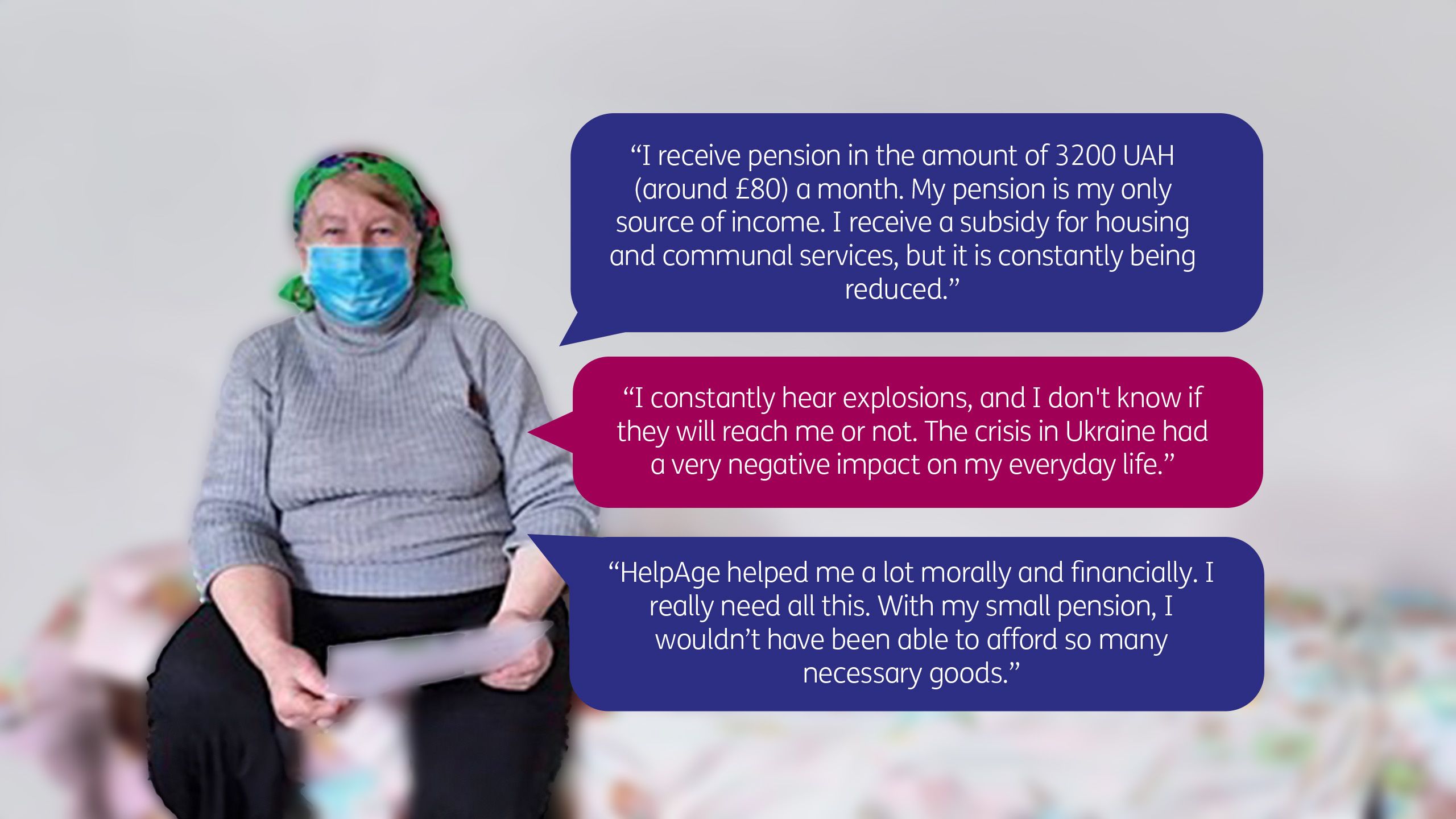
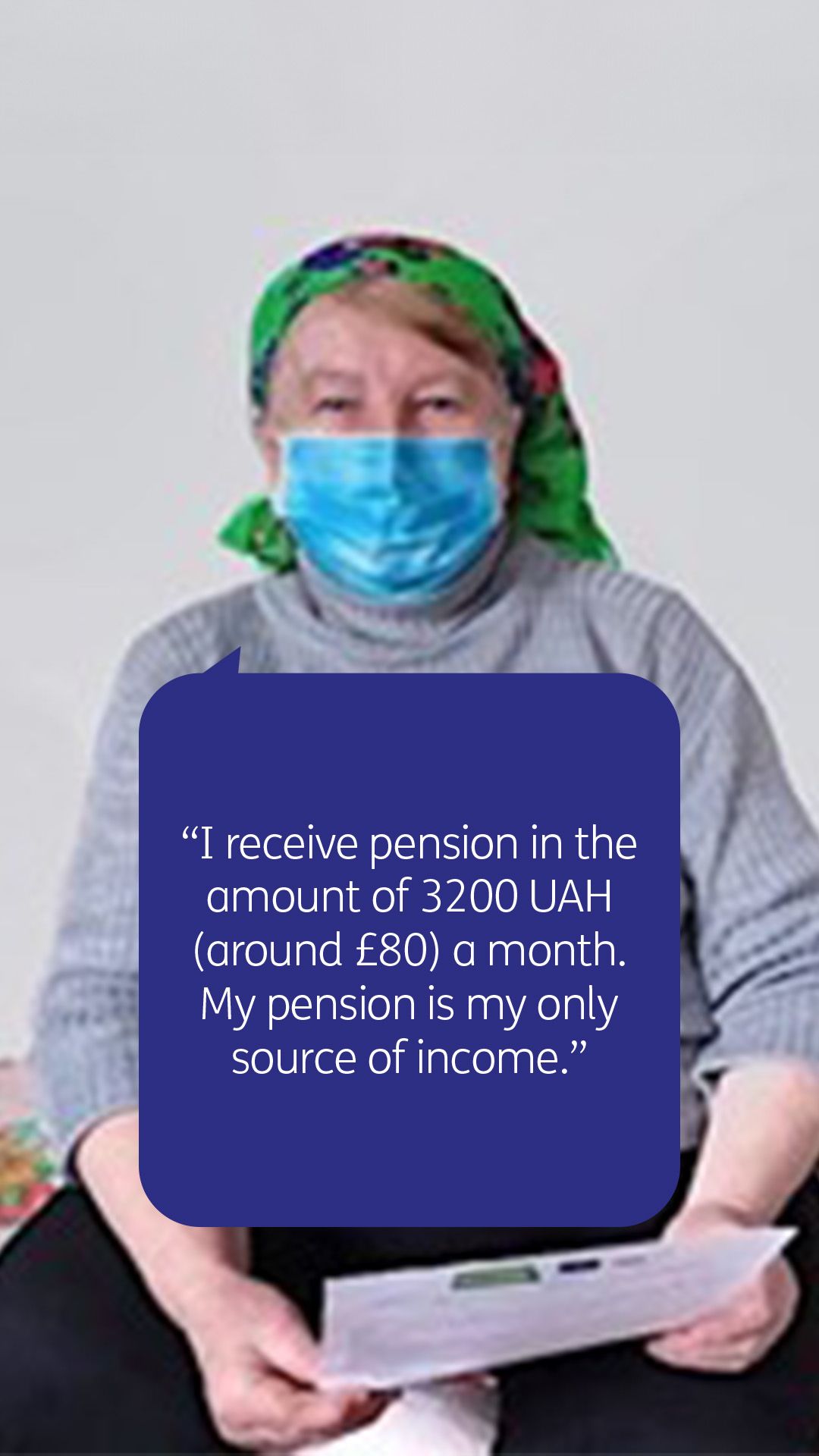
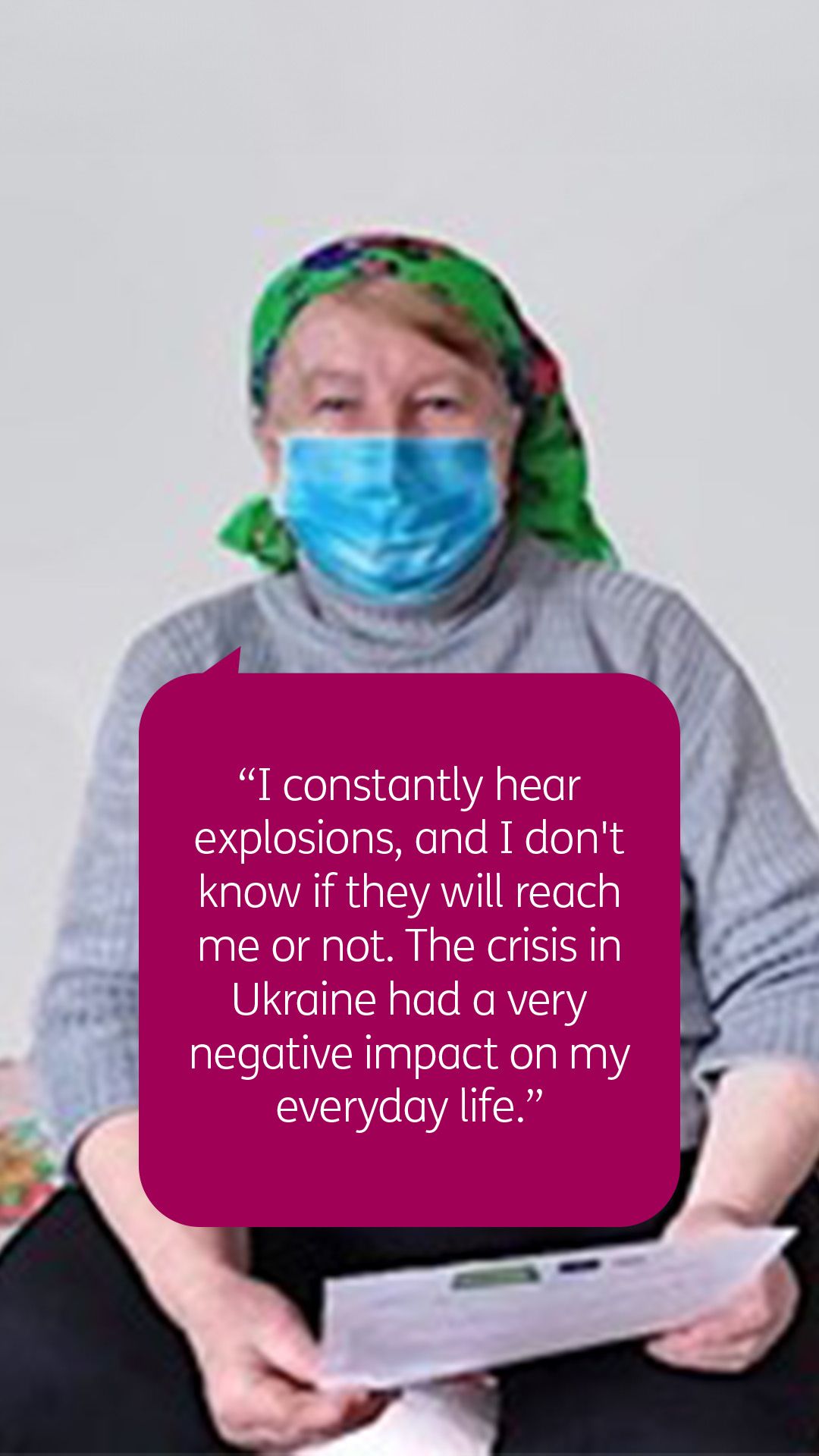
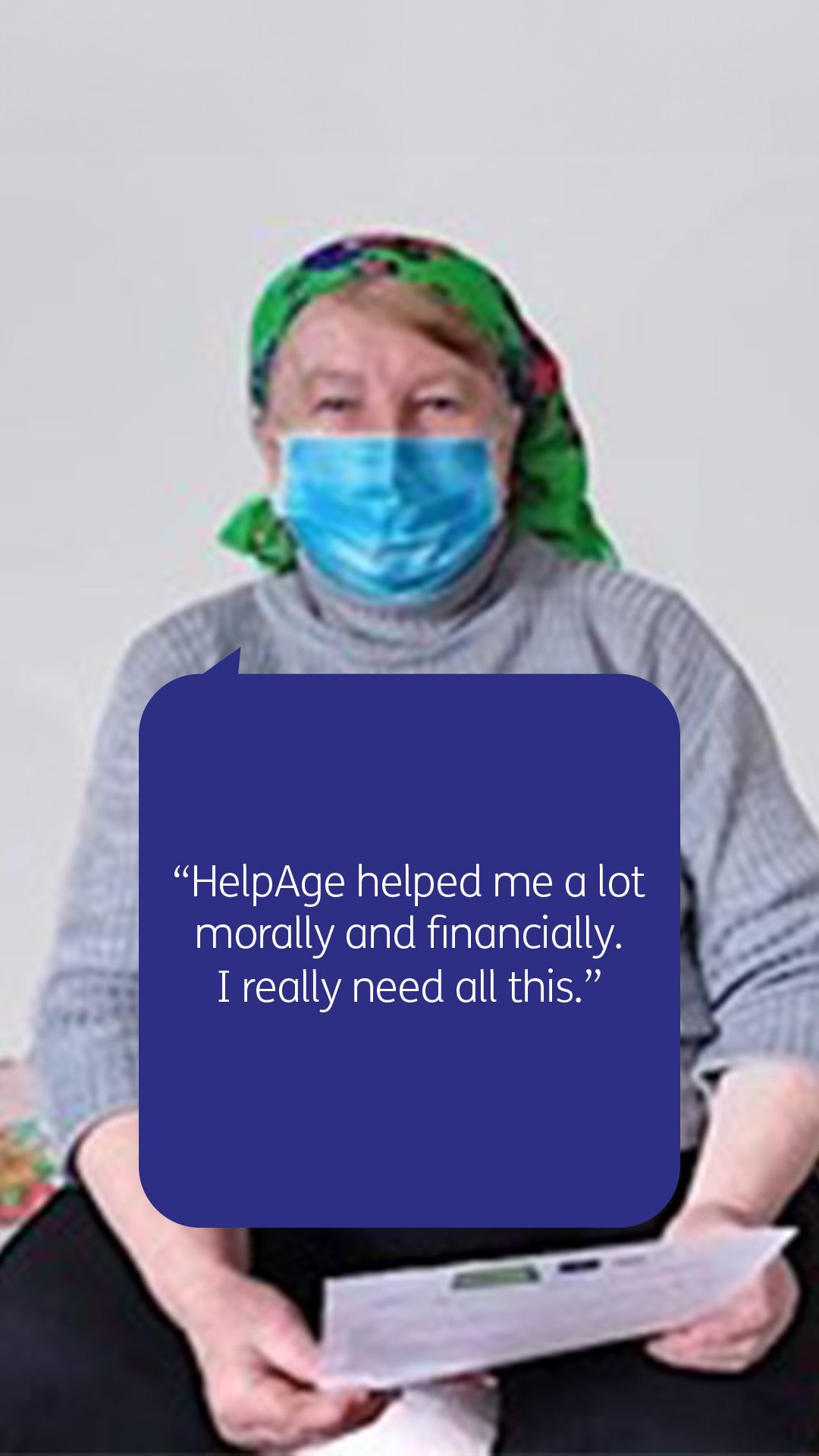
Working with HelpAge International, we have been able to help people like Olga, 71, to buy essential goods such as food and medicine.






South Sudan
South Sudan has faced decades of civil war and life-threatening food shortages. Since open conflict began in 2013, an estimated 380,000 have died and 2 million have been displaced.2
Today, more than half of the population is facing crisis levels of food insecurity, and recent flooding has wiped out harvests, infrastructure and health facilities. Women and girls are particularly affected by the crisis, with many facing violence, abuse and exploitation daily.
In response to the crisis, we have supported our local partners in South Sudan, the Humanitarian & Development Consortium (HDC). HDC helps provide cash assistance to older people to help support their basic needs and gain control of their futures.

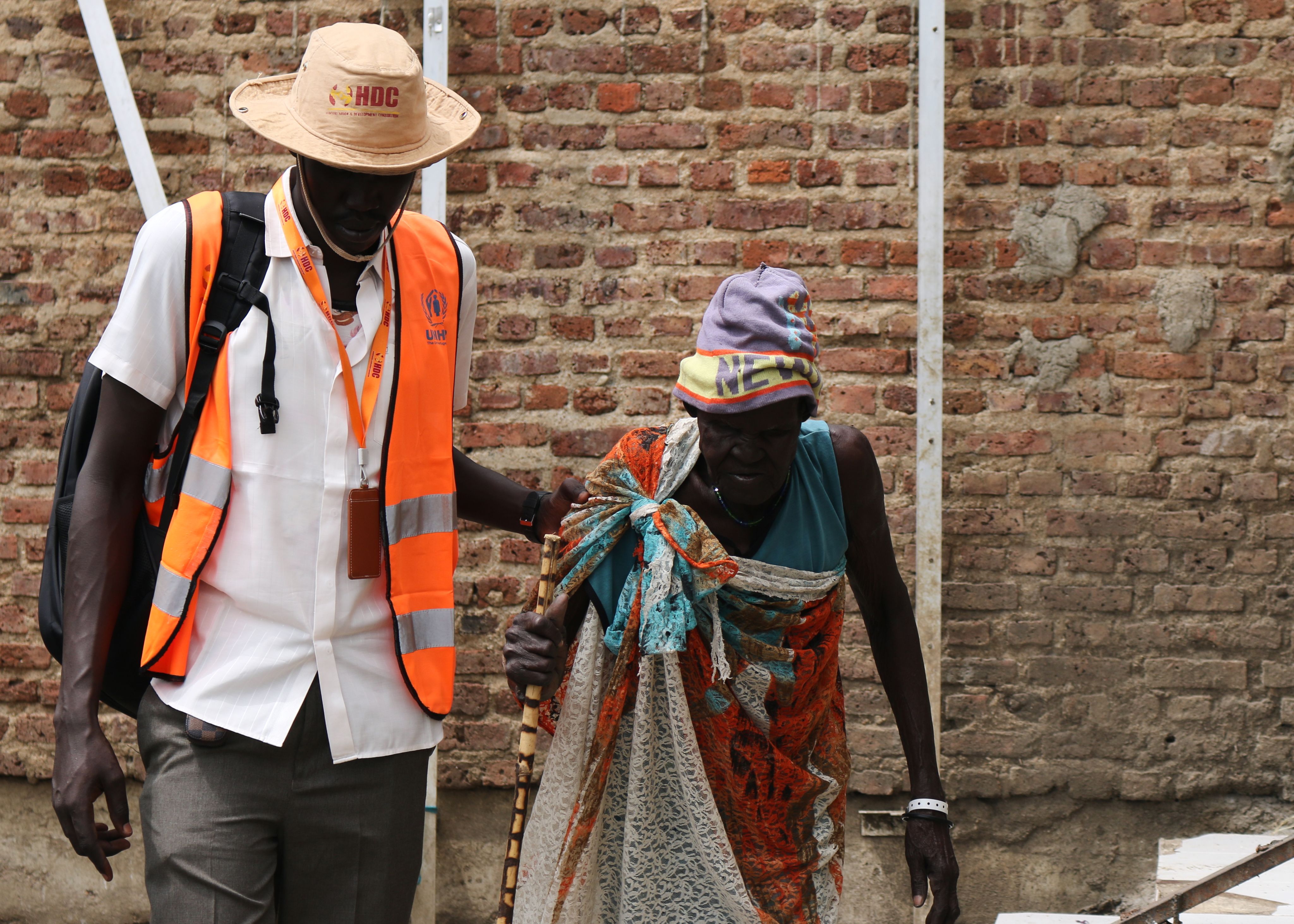
HDC staff member helping Nyawech Deng Duop in South Sudan. Credit: David Lomuria/HDC.
HDC staff member helping Nyawech Deng Duop in South Sudan. Credit: David Lomuria/HDC.
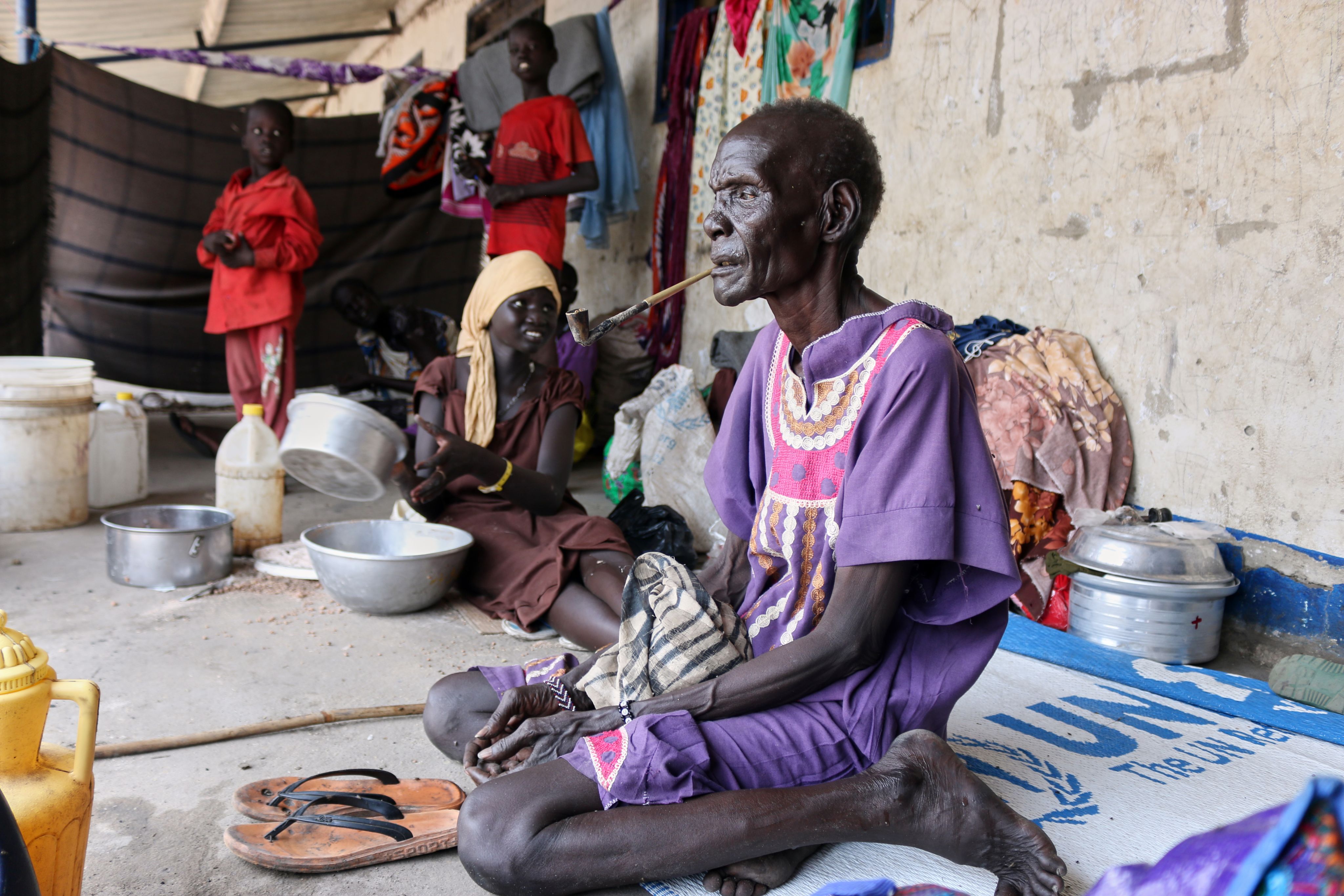
The recipients of these cash transfers use the money to buy food and medicine, or even pay for their children and grandchildren to go to school. With enough money, older people can even set up their own businesses – providing a sustainable income for the future.
Did you know? It is not unusual for older people to give some of their money to their loved ones. This act of selflessness reflects the active contribution many older people can have within their communities.
Check out the video below to learn more about our work with HDC and providing cash assistance in South Sudan.

Ethiopia
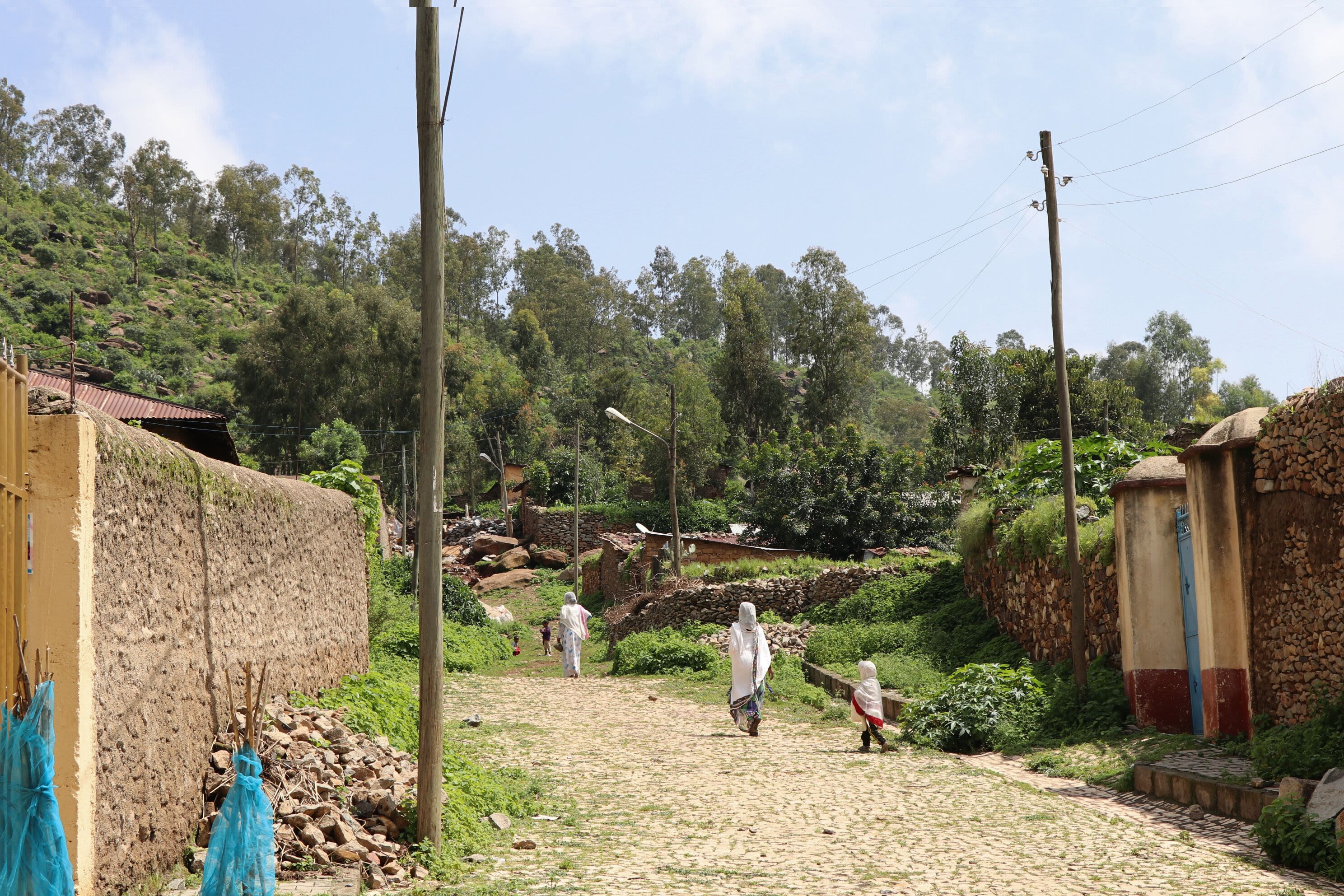
In recent years, Ethiopia has faced multiple overlapping humanitarian crises. The country is in the midst of its worst drought in recent history. In addition, ongoing conflict in Northern Ethiopia is causing significant disruption and displacement in the country. Food, water, basic services, and medical supplies are all severely limited.
Working with local partners and HelpAge International, we supported a cash assistance programme, providing 4,688 households with cash to help them through incredibly challenging times, through funding provided by the Band Aid Charitable Trust.
One older woman who we were able to support was Letalife, 67. Letalife worked as a farmer before the conflict broke out, now she lives in a school, sharing a classroom with over 20 people. She often struggles to get food.

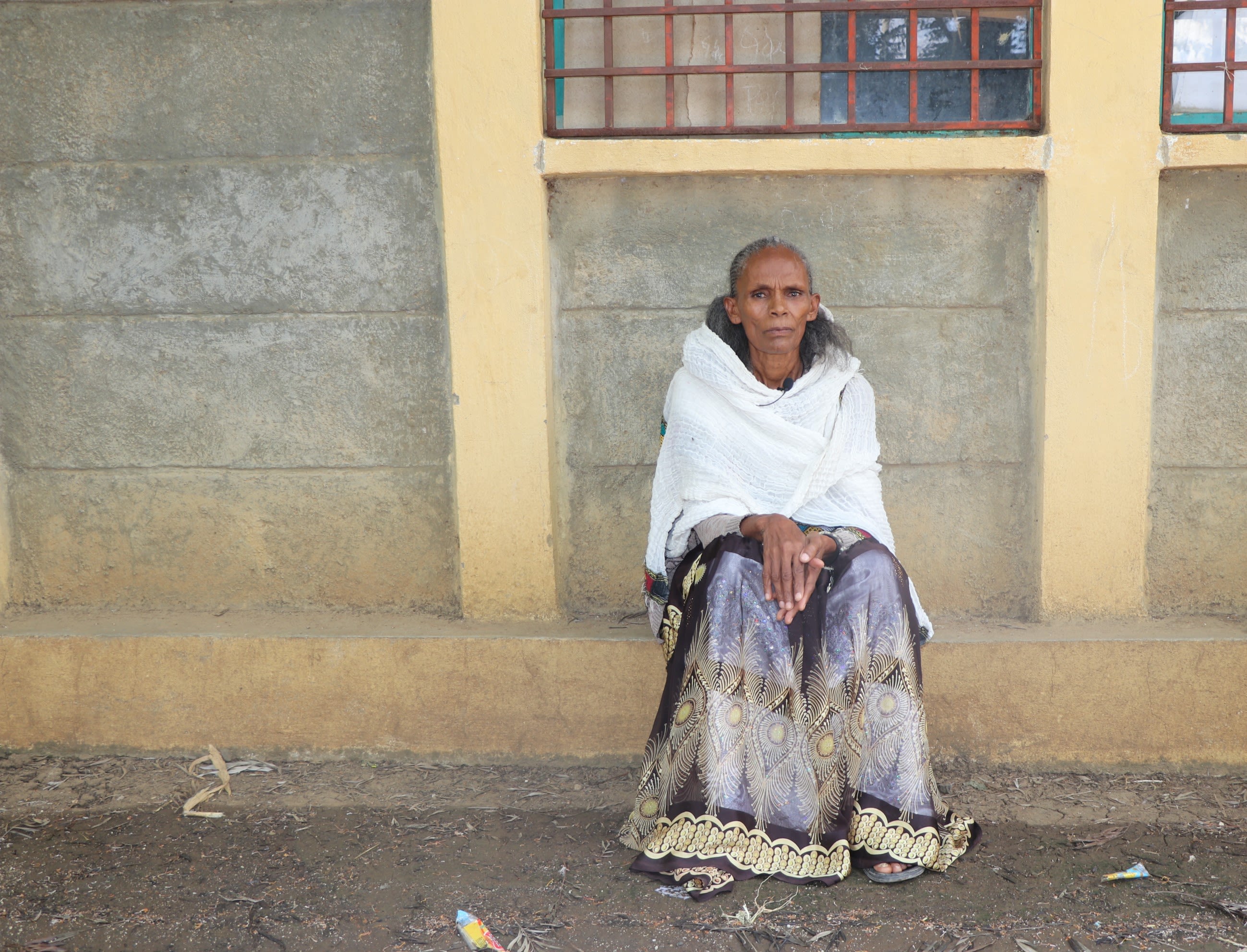
Letalife has had to flee her home, and is now living in a school with many other refugees. Credit: Betelihem Abebe / HelpAge International
Letalife has had to flee her home, and is now living in a school with many other refugees. Credit: Betelihem Abebe / HelpAge International
"The cash support was a blessing, providing hope and support during a difficult time. After being selected, I received 9200 birr (around £56), a significant amount for someone in my situation. I used 3000 birr to buy food and 2000 birr to buy a mattress.
The support comes at just the right time and has made a huge difference in my life. I hope that support will continue in the future, as it has been a true blessing."
Check out the video below to learn more about our work with local partners and HelpAge International, providing cash assistance in Ethiopia.

How do we do it?
Getting money into the hands of the people who need it takes some co-ordination.
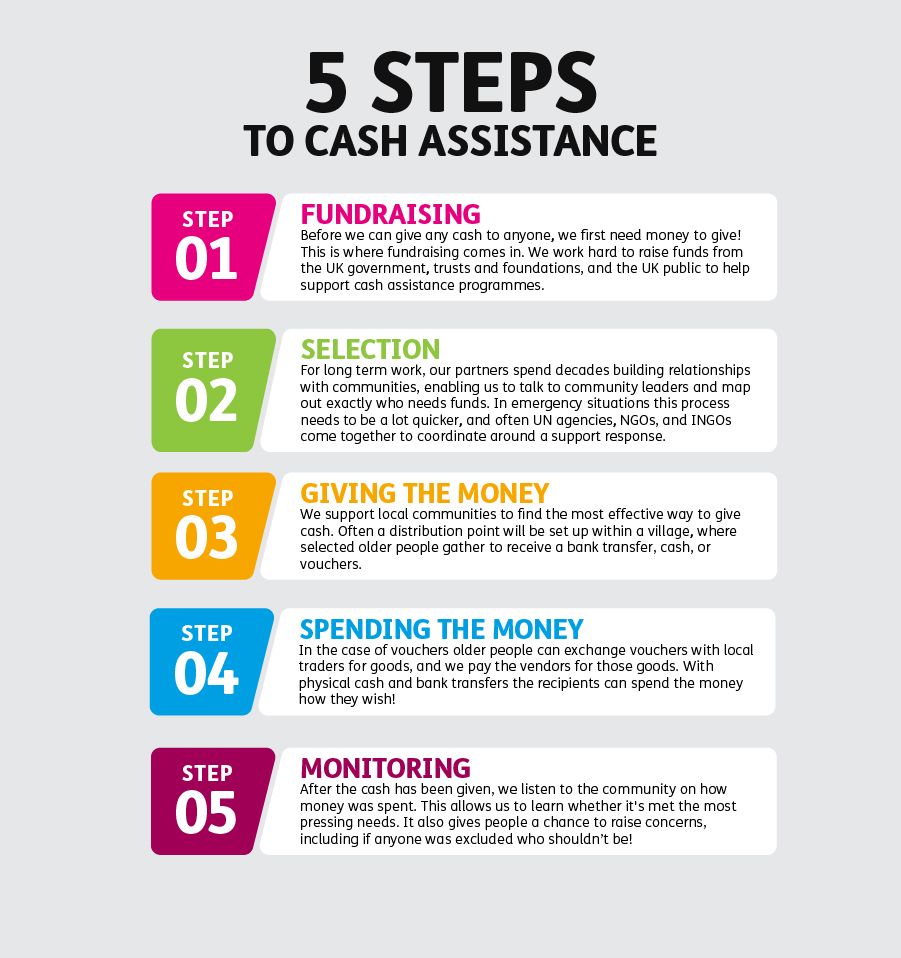
Here’s our step-by-step guide on how we give cash assistance to older people around the world:

Cash transfers can transform the lives of older people living in difficult situations, however giving cash does not come without challenges. Here are just some of the factors to consider, when developing a cash-based programme.
- Digital literacy: Sometimes the most at-risk individuals might not have access to digital banking, which limits the ways in which cash can be given. This is particularly a challenge with older people in remote areas.
- Markets: If local markets aren’t operating - for example, if shops are destroyed in a flood, then older people won’t be able to spend the cash.
- Inflation: There is a risk of inflating the price of basic goods if there's suddenly more demand than supply. This can create a scenario where traders push up prices making goods unaffordable.
- Safety: Giving cash, particularly physical cash, can put recipients in a vulnerable position. Physical cash can often be targeted for theft, and even digital transfers are at risk of being taken by family members. This is particularly a challenge for older women.
- Funding: There is often a shortage of funds to give everyone what they need. For example, in Ukraine, nearly the whole population has been affected by the war. This means a lot of older people need help, and so a lot of money is needed. And that can be a challenge if there's not enough of it.

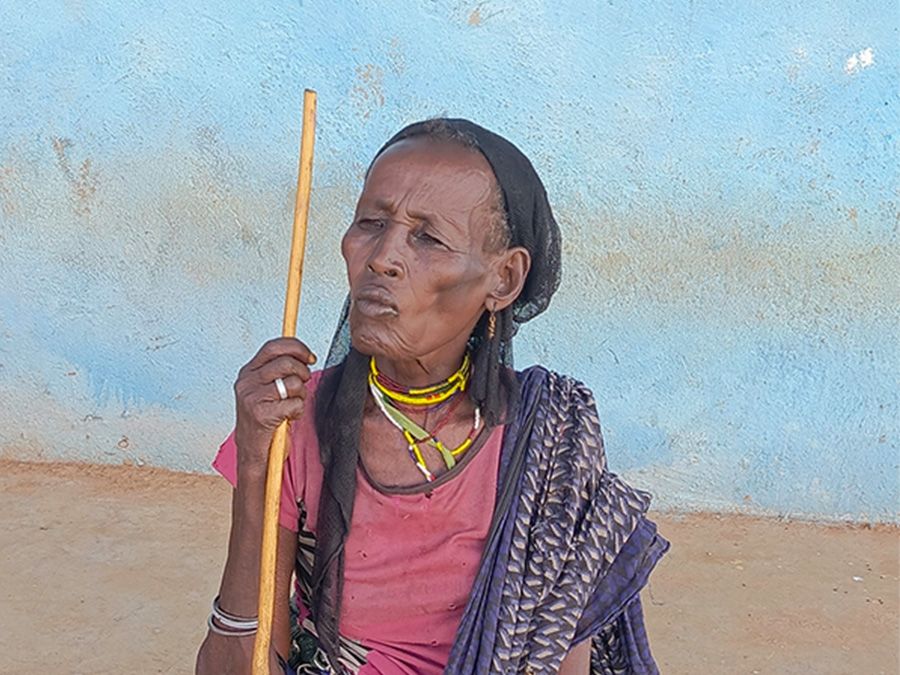
Mrs Doti, a cash recipient in Ethiopia. Credit: HelpAge International
Mrs Doti, a cash recipient in Ethiopia. Credit: HelpAge International
To address these challenges, we support partners to engage local communities, and to assess the local context. This ensures that older people are safeguarded from any risks, and that cash support is the most appropriate response. We also liaise with UN agencies and other organisations to ensure responses are effectively coordinated, and that cash support is at a level that will have a meaningful impact for individuals and communities.
We recognise that providing cash is not always sustainable. We therefore strive for structural change, supporting governments to provide pensions and improve facilities. And, of, course, we continually work to raise funds so there is money to give in the first place.
Cash assistance is pivotal in providing support to older people around the world. It offers agency, autonomy and dignity. There are challenges to overcome, but with support from governments, donors, and our partners, we can help make a difference.
Getting money into the hands of the people who need it takes some coordination.
Here’s our step-by-step guide on how we give cash assistance to older people around the world:
1. Fundraising: Before we can give any cash to anyone, we first need money to give! This is where fundraising comes in. We work hard to raise funds from the UK government, trusts and foundations, and the UK public to help support cash assistance programmes.
2. Selection: For long term work, our partners spend decades building relationships with communities, enabling us to talk to community leaders and map out exactly who needs funds. In emergency situations this process needs to be a lot quicker, and often UN agencies, NGOs, and INGOs come together to coordinate around a support response.
3. Giving the money: We support local communities to find the most effective way to give cash. Often a distribution point will be set up within a village, where selected older people gather to receive a bank transfer, cash, or vouchers.
4. Spending the money: In the case of vouchers older people can exchange vouchers with local traders for goods, and we pay the vendors for those goods. With physical cash and bank transfers the recipients can spend the money how they wish!
5. Monitoring: After the cash has been given, we listen to the community on how money was spent. This allows us to learn whether it's met the most pressing needs. It also gives people a chance to raise concerns, including if anyone was excluded who shouldn’t be!
Cash transfers can transform the lives of older people living in difficult situations, however giving cash does not come without challenges. Here are just some of the factors to consider, when developing a cash-based programme.
- Digital literacy: Sometimes the most at-risk individuals might not have access to digital banking, which limits the ways in which cash can be given. This is particularly a challenge with older people in remote areas.
- Markets: If local markets aren’t operating - for example, if shops are destroyed in a flood, then older people won’t be able to spend the cash.
- Inflation: There is a risk of inflating the price of basic goods if there's suddenly more demand than supply. This can create a scenario where traders push up prices making goods unaffordable.
- Safety: Giving cash, particularly physical cash, can put recipients in a vulnerable position. Physical cash can often be targeted for theft, and even digital transfers are at risk of being taken by family members. This is particularly a challenge for older women.
- Funding: There is often a shortage of funds to give everyone what they need. For example, in Ukraine, nearly the whole population has been affected by the war. This means a lot of older people need help, and so a lot of money is needed. And that can be a challenge if there's not enough of it.
Mrs Doti, a cash recipient in Ethiopia. Credit: HelpAge International
Mrs Doti, a cash recipient in Ethiopia. Credit: HelpAge International
To address these challenges, we support partners to engage local communities, and to assess the local context. This ensures that older people are safeguarded from any risks, and that cash support is the most appropriate response. We also liaise with UN agencies and other organisations to ensure responses are effectively coordinated, and that cash support is at a level that will have a meaningful impact for individuals and communities.
We recognise that providing cash is not always sustainable. We therefore strive for structural change, supporting governments to provide pensions and improve facilities. And, of, course, we continually work to raise funds so there is money to give in the first place.
Cash assistance is pivotal in providing support to older people around the world. It offers agency, autonomy and dignity. There are challenges to overcome, but with support from governments, donors, and our partners, we can help make a difference.
Click below to learn more about...
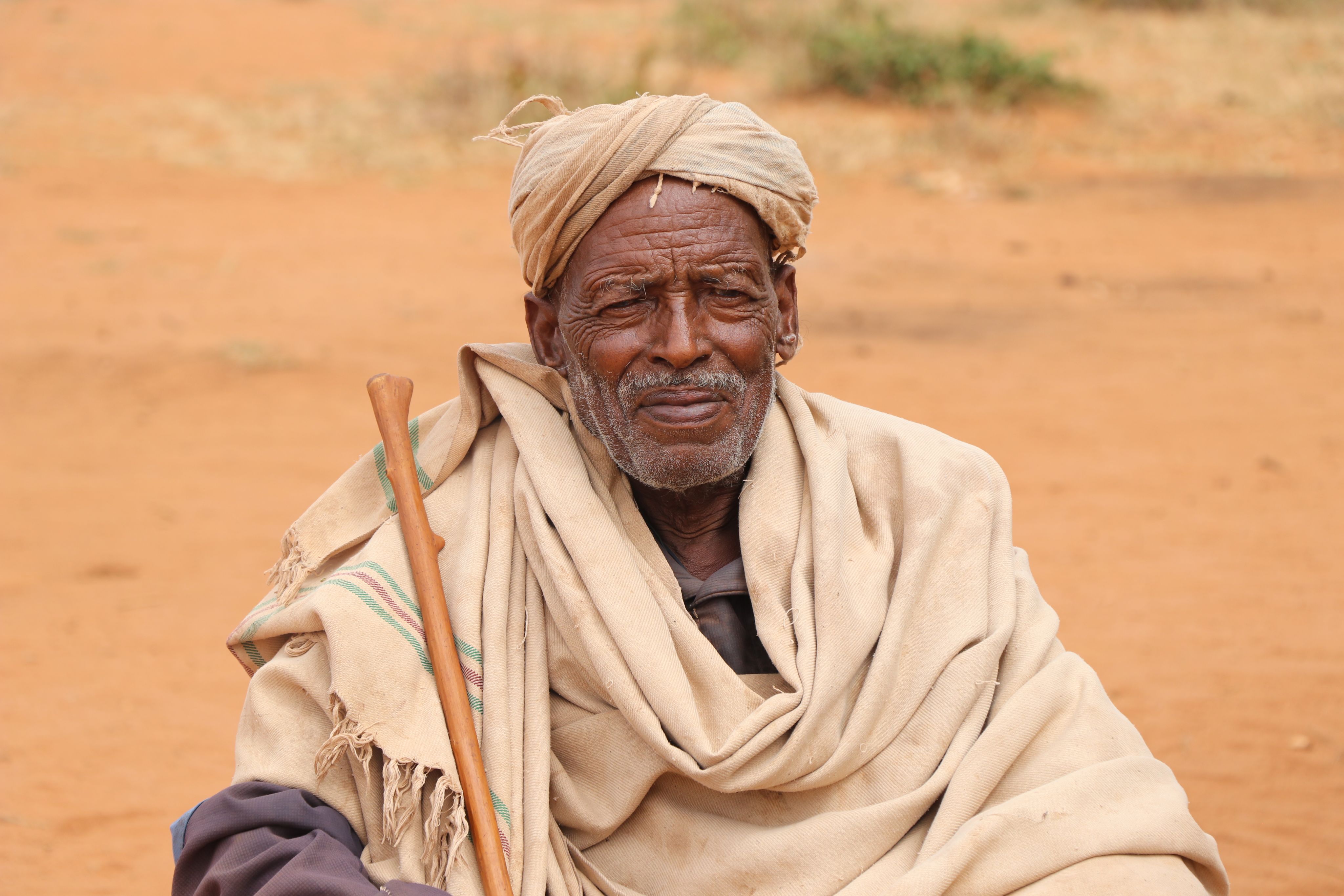
How you can help
Find out the ways you can support our work, from donating to campaigning!
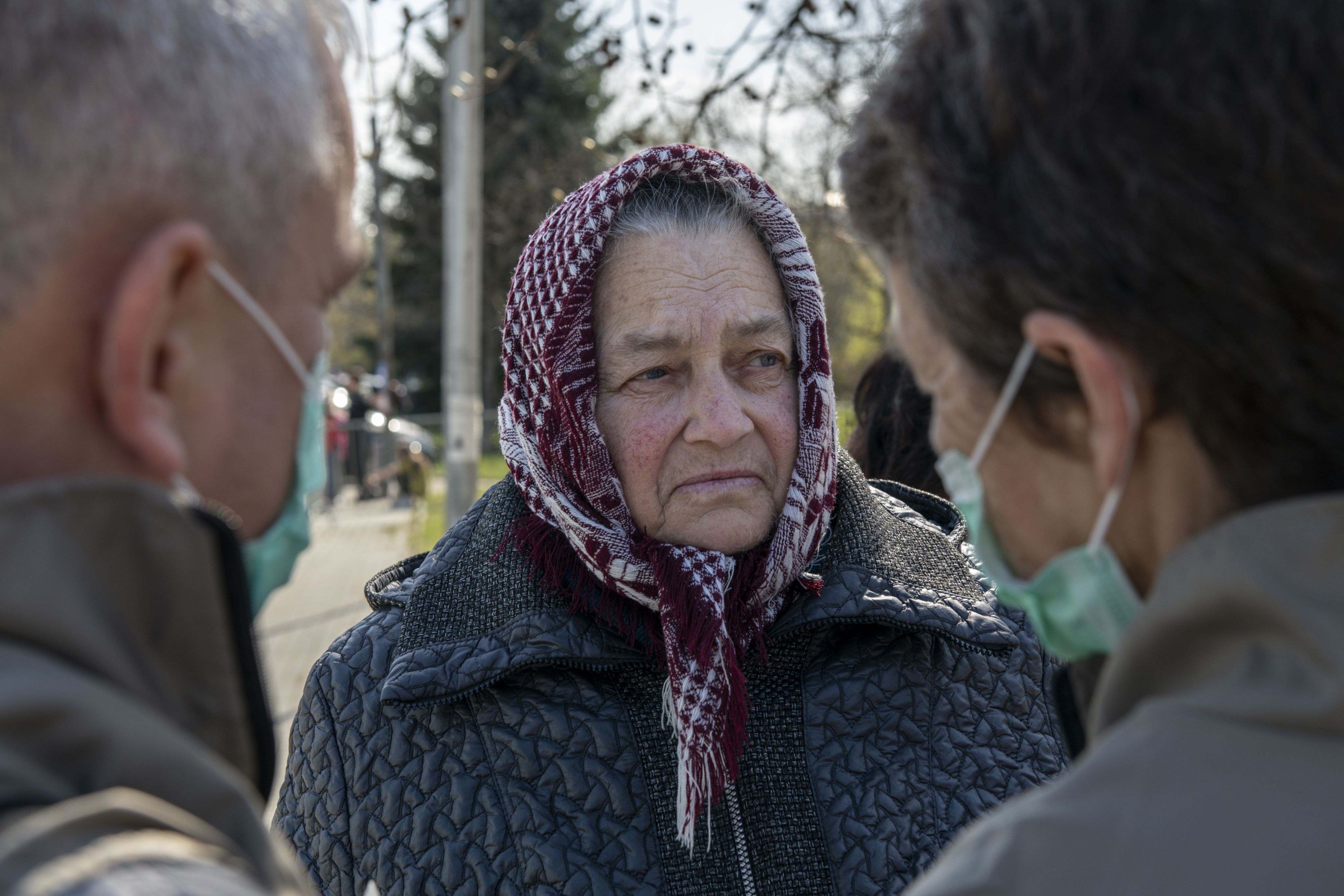
Our work in Ukraine
Read how, with our partners, we have supported older people in Ukraine.
How we spend money
Read our annual reports to learn how we spend money to support older people.
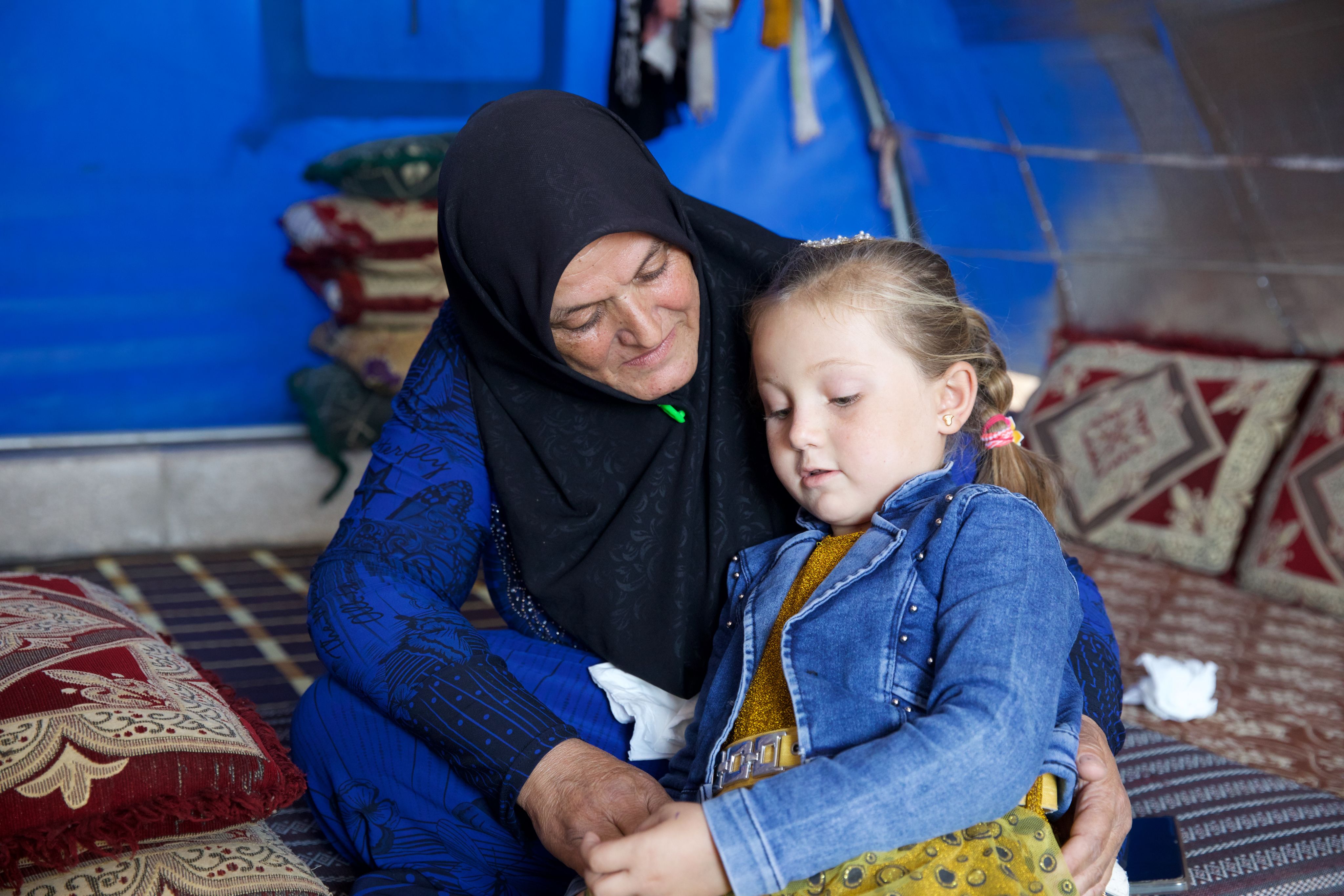
Credit Cover photo (Derifa, 65, Syria): Arete / DEC; Photo before "What is Cash Assistance?" (Ethiopia): HelpAge International; Photo before 'Cash Assistance in Action' (Hesamuddin, Afghanistan): Humanity & Inclusion Mirwais Amir Akbar; Ethiopia: Betelihem Abebe / HelpAge International, Olga, 71: DEC; Photo before "How do we do it" (South Sudan): David Lomuria / HDC.
References 1. https://www.rescue.org/uk/report/2024-emergency-watchlist. 2. https://www.rescue.org/uk/country/south-sudan.
 Built with Shorthand