COUNTRY PROFILE
PAKISTAN
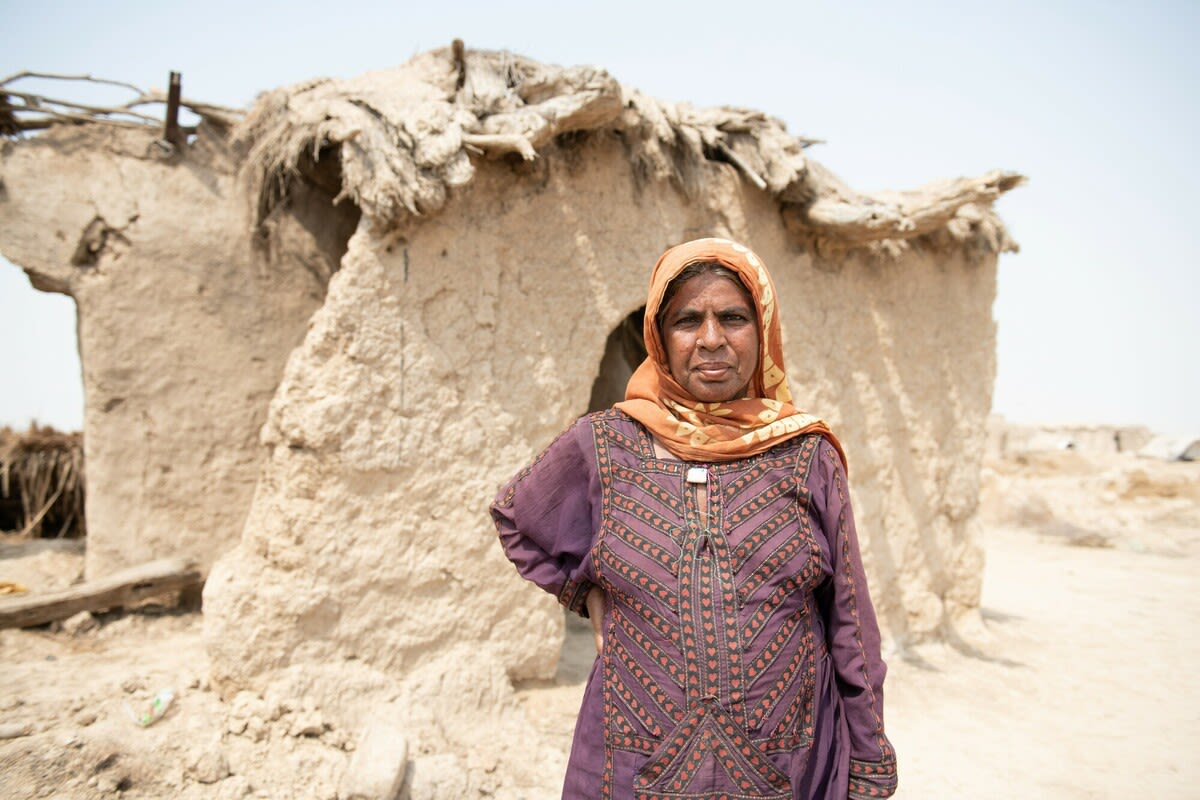

Pakistan, a large country bordering Afghanistan, China, India, and Iran, is experiencing a significant demographic shift. Over 16 million people, or roughly 7% of the population, are over 60 years old. This number is projected to more than double by 2050. This increase is largely due to rising life expectancy, which is now over 65 years for women and 64.5 years for men.
However, this demographic shift presents several challenges. Many older people in Pakistan face financial hardship and limited access to healthcare. Women, who make up nearly half the population, often have lower literacy rates and fewer work opportunities. Older people are also disproportionately impacted by Pakistan's natural disasters, such heatwaves, floods and drought, which are increasing in frequency and severity due to climate change. Older people’s rights are not being met, and their lived experiences are often overlooked when it comes to tackling these issues.
We are working with HelpAge International, local partners and older people in Pakistan to face these challenges and provide valuable support.


Our Partners


Foundation for Ageing and Inclusive Development (FAID)
FAID, a member of the HelpAge International global network, focuses on promoting the wellbeing and inclusion of older people and other marginalised communities in Pakistan. FAID's initiatives include developing knowledge-sharing platforms, providing training and technical support, and advocating for age-friendly policies.
FAID was founded in 2024 as part of HelpAge International's localisation agenda, empowering local organisations to lead humanitarian and development programmes. HelpAge International had been working in Pakistan since 2010, and responded to multiple crises including floods, earthquakes, heatwaves, droughts and the COVID-19 pandemic. They also established an Age and Disability Task Force in Pakistan, which has supported NGOs and governmental organisations to develop age and disability policies, procedures and tools for emergency preparedness and response.
FAID will continue to build on this work, including strengthening advocacy, promoting healthy ageing and addressing climate challenges alongside older people.
Health


Older people in Pakistan face significant health challenges. They are more at risk from non-communicable diseases (NCDs) such as heart disease, cancer and diabetes. Health centres may be far away and difficult to access, treatment and medicines may be unaffordable, and staff may lack the right training. Older people with disabilities, older women and those living alone face multiple barriers, such as gender inequality, poverty and social isolation, which make it harder for them to get the care they need.
We are advocating for improved health outcomes alongside local partners and older people. HelpAge International collaborated with the World Health Organization (WHO) and the Ministry of Health to develop Pakistan’s National Framework on Healthy Ageing. Our partners also distributed assistive devices, such as hearing aids and walking sticks, to restore mobility and independence for those affected by the 2022 Pakistan Floods.

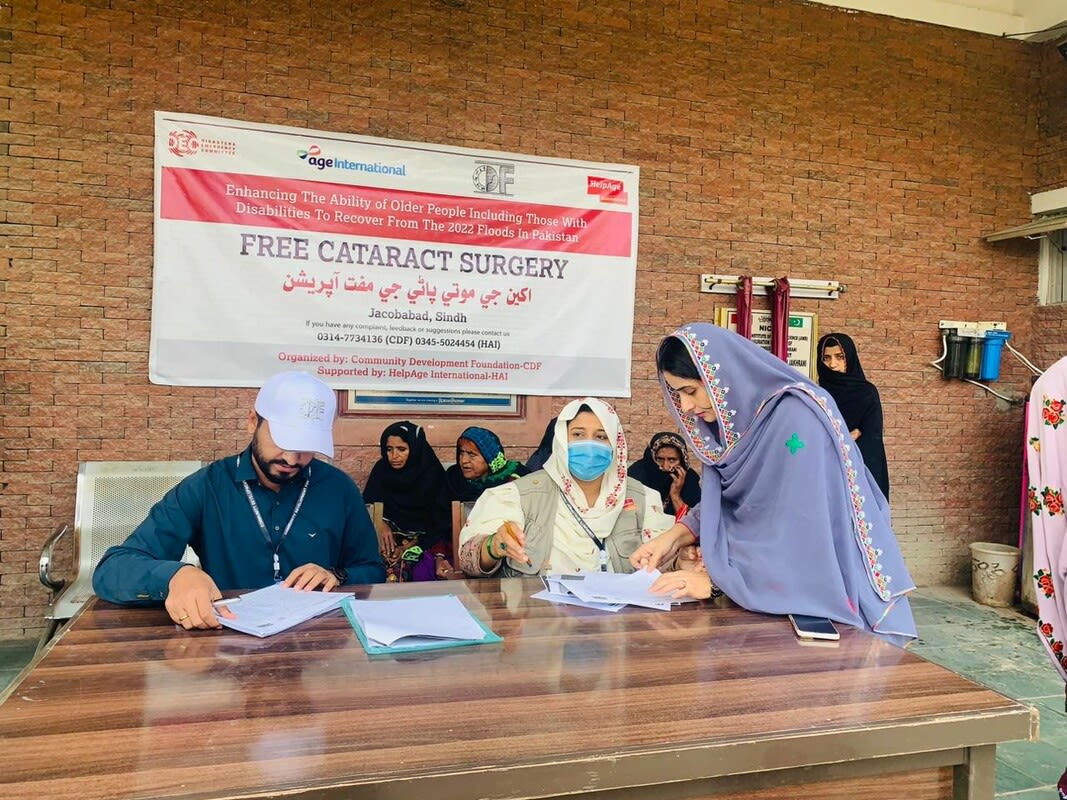
Members of an Older Persons Association register for free cataract surgery. Photo: Saima Javaid / HelpAge International
Members of an Older Persons Association register for free cataract surgery. Photo: Saima Javaid / HelpAge International

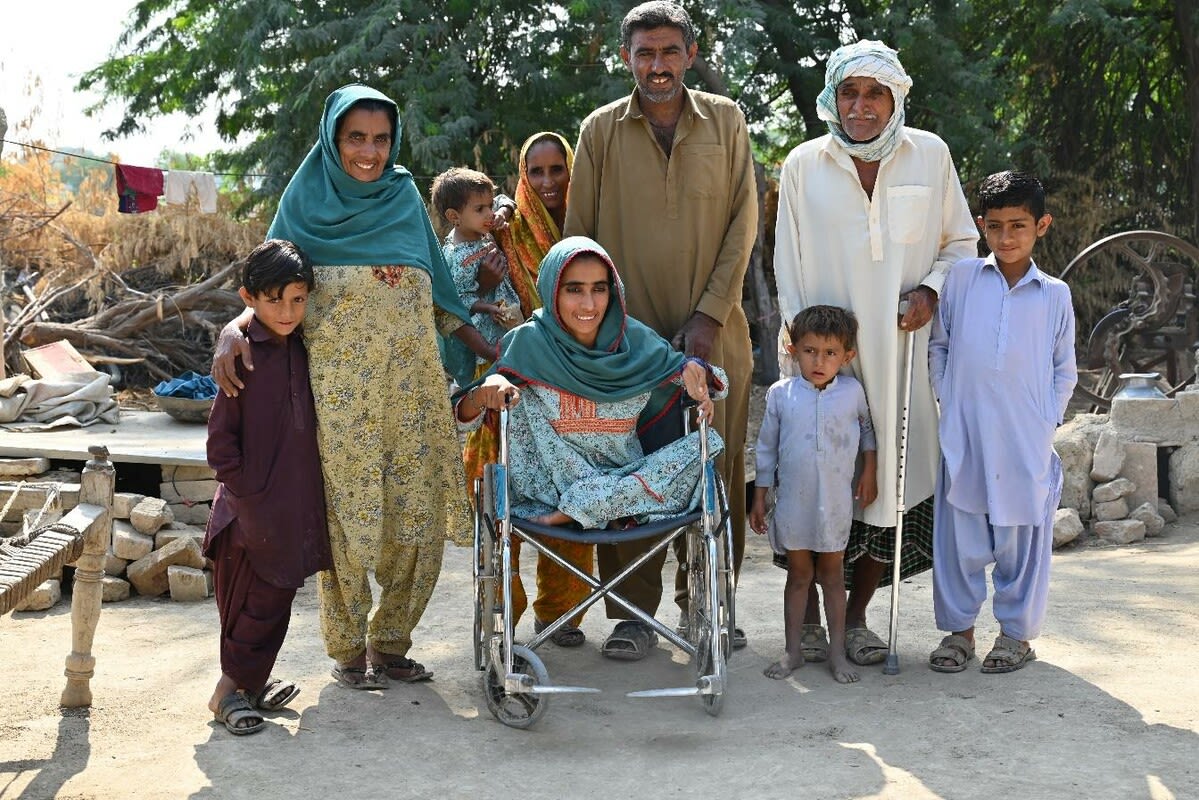
Muhammad, 62, and his family received critical psychosocial support following the 2022 Pakistan floods. Photo: Saima Javaid / HelpAge International
Muhammad, 62, and his family received critical psychosocial support following the 2022 Pakistan floods. Photo: Saima Javaid / HelpAge International
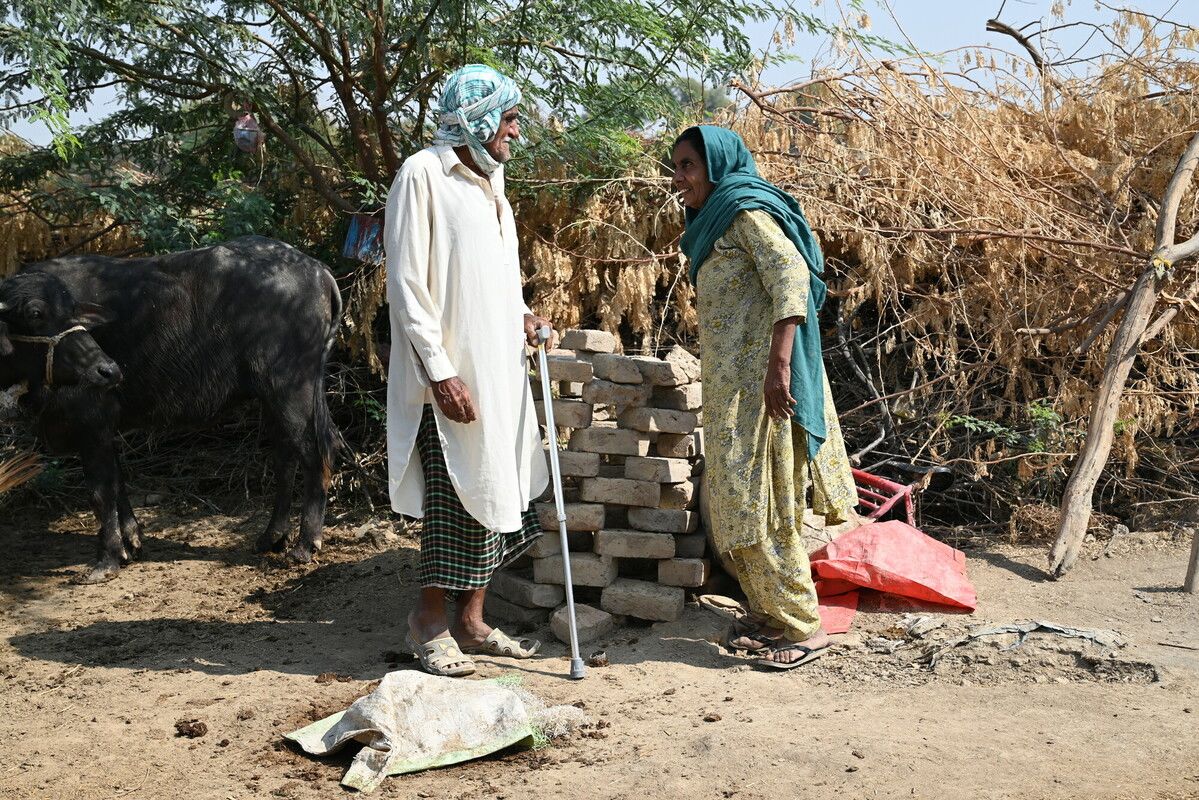
Muhammad, 62, and his wife took part in a tree planting scheme in their community. Photo: Saima Javaid / HelpAge International
Muhammad, 62, and his wife took part in a tree planting scheme in their community. Photo: Saima Javaid / HelpAge International

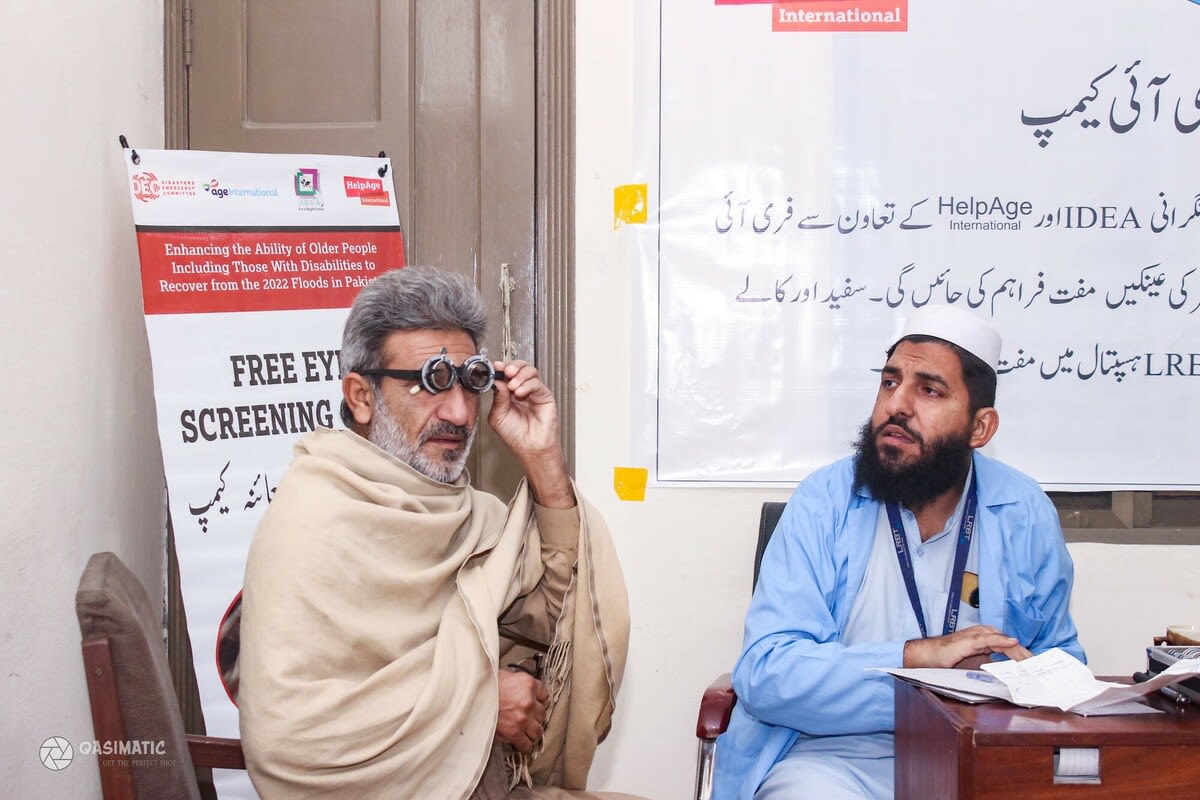
Older man taking part in a free eye screening. Photo: Saima Javaid / HelpAge International
Older man taking part in a free eye screening. Photo: Saima Javaid / HelpAge International
Roza, 63
Roza is an older women living in a rural community in Pakistan, and has gradually lost her hearing.
She received a hearing aid through a project supporting older people affected by the Pakistan floods. She is now able to communicate with her family and participate in her community again.
Roza’s husband says: “I used to worry that Roza felt left out during family gatherings and conversations. Now, with her hearing aid, she’s the life of our family, sharing stories and laughter with everyone.”

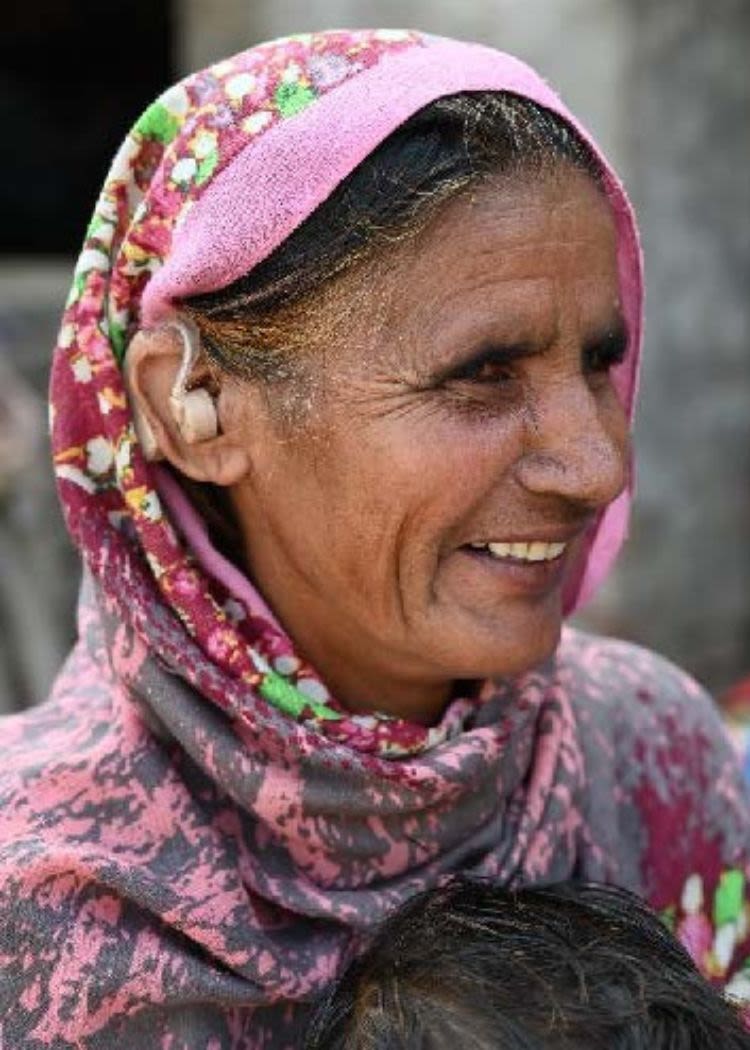
Roza with her hearing aid. Credit: Saima Javaid / HelpAge International
Roza with her hearing aid. Credit: Saima Javaid / HelpAge International
Roza with her hearing aid. Credit: Saima Javaid / HelpAge International
Roza with her hearing aid. Credit: Saima Javaid / HelpAge International
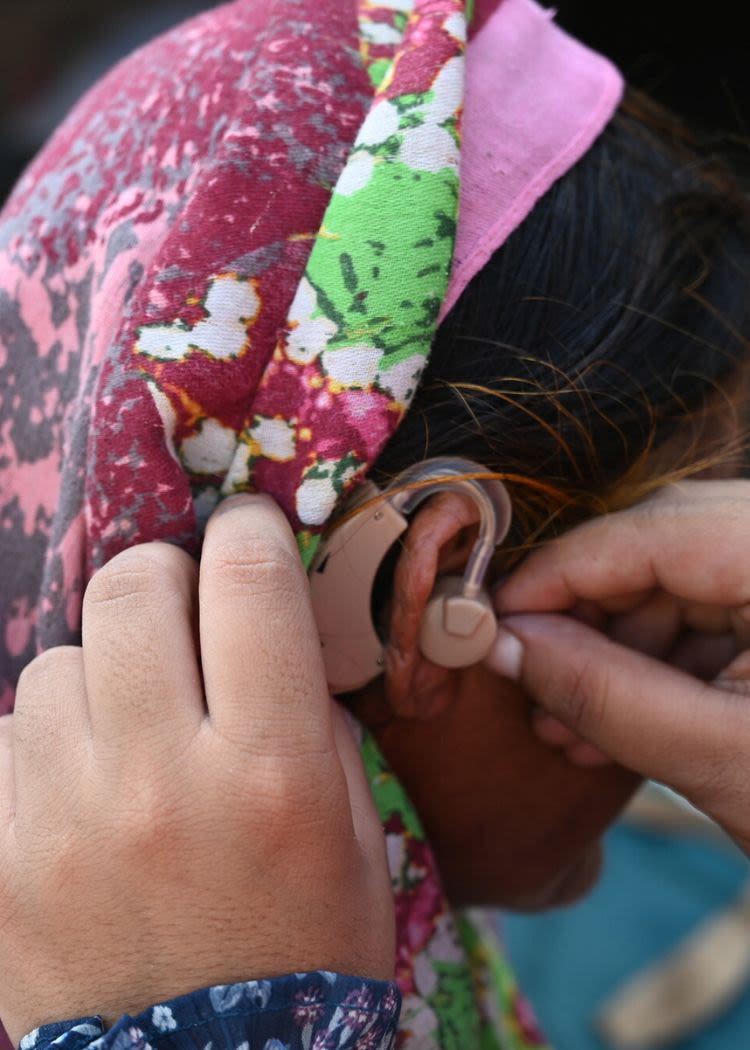
Roza with her hearing aid. Credit: Saima Javaid / HelpAge International
Roza with her hearing aid. Credit: Saima Javaid / HelpAge International

Humanitarian
Pakistan is prone to natural disasters, such as earthquakes, and is increasingly vulnerable to the impacts of climate change, including flooding, heatwaves and droughts. The country’s healthcare and emergency response systems are not equipped to meet the needs of older people during these extreme weather events, increasing the risk of disease and death (source: Amnesty International). Older people have much to contribute to climate adaptation, including valuable knowledge and expertise, but are being overlooked.
In humanitarian crises, we work with our local partners to deliver essential support, such as food, hygiene kits, shelter and cash assistance. We also work with older people to improve community preparedness for disasters, including running practice drills.
In August 2022, over 33 million people were impacted by devastating floods in Pakistan. Entire villages were swept away, millions of acres of crops destroyed, and nearly 800,000 livestock lost. The Disasters Emergency Committee (DEC), a group of 15 charities including Age International, launched the Pakistan Floods Appeal to support those affected. Through this fundraising, we provided vital food, shelter and healthcare to those in need, while working to prevent the spread of waterborne diseases.
In the year following the floods, we continued to stand with older people by delivering targeted support through cash assistance, eye care, assistive technology, mental health services and climate resilience initiatives, including the planting of over 61,500 trees.
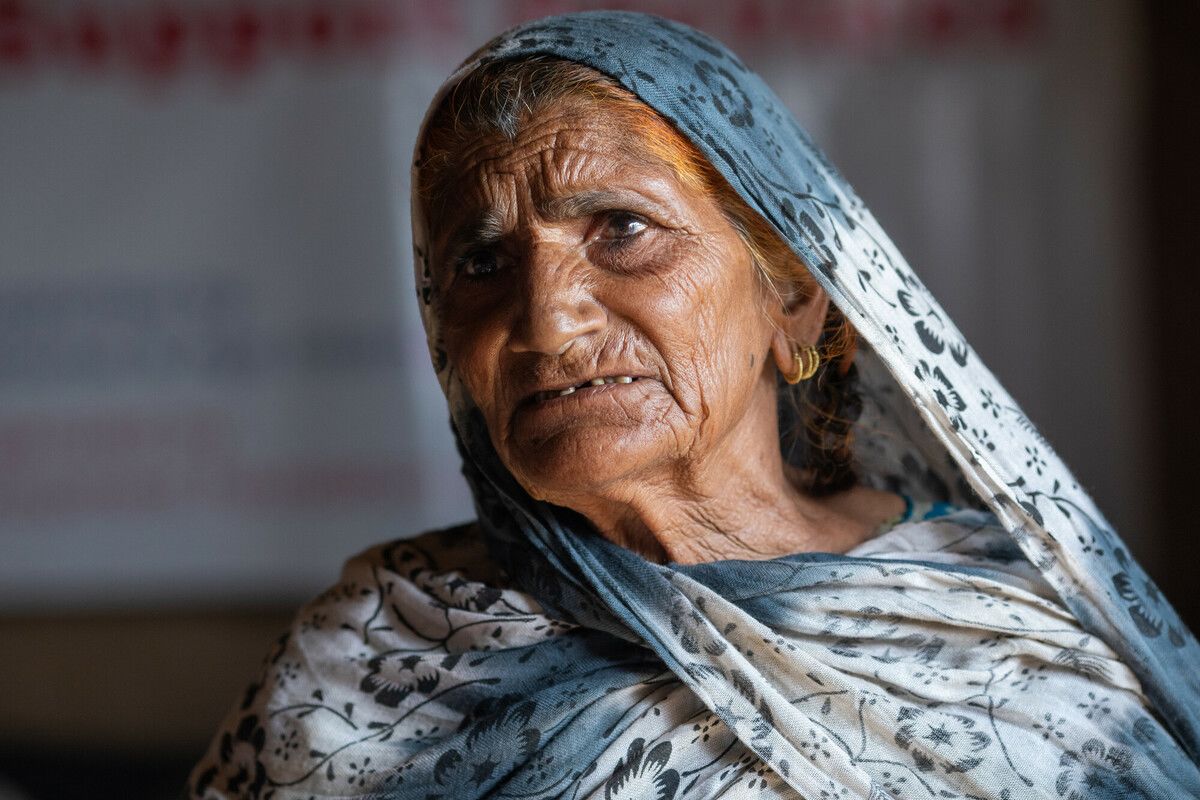
Older woman attends a group counselling session following the floods. Photo: Khaula Jamil/DEC
Older woman attends a group counselling session following the floods. Photo: Khaula Jamil/DEC
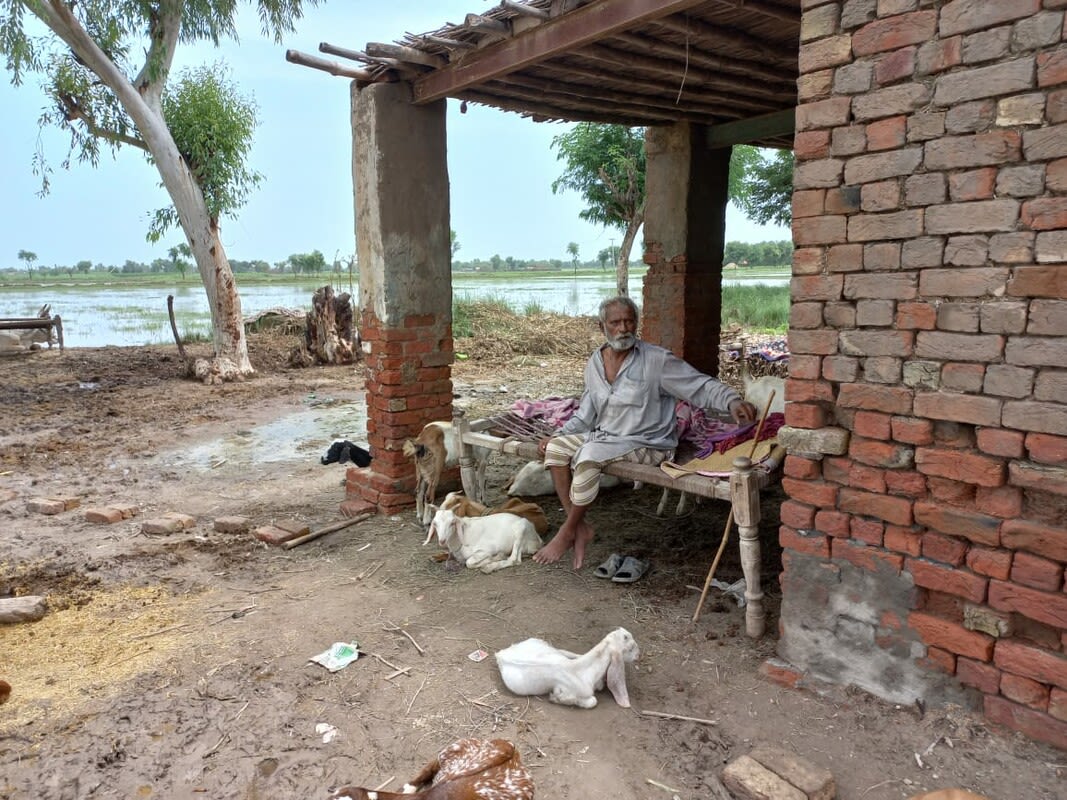
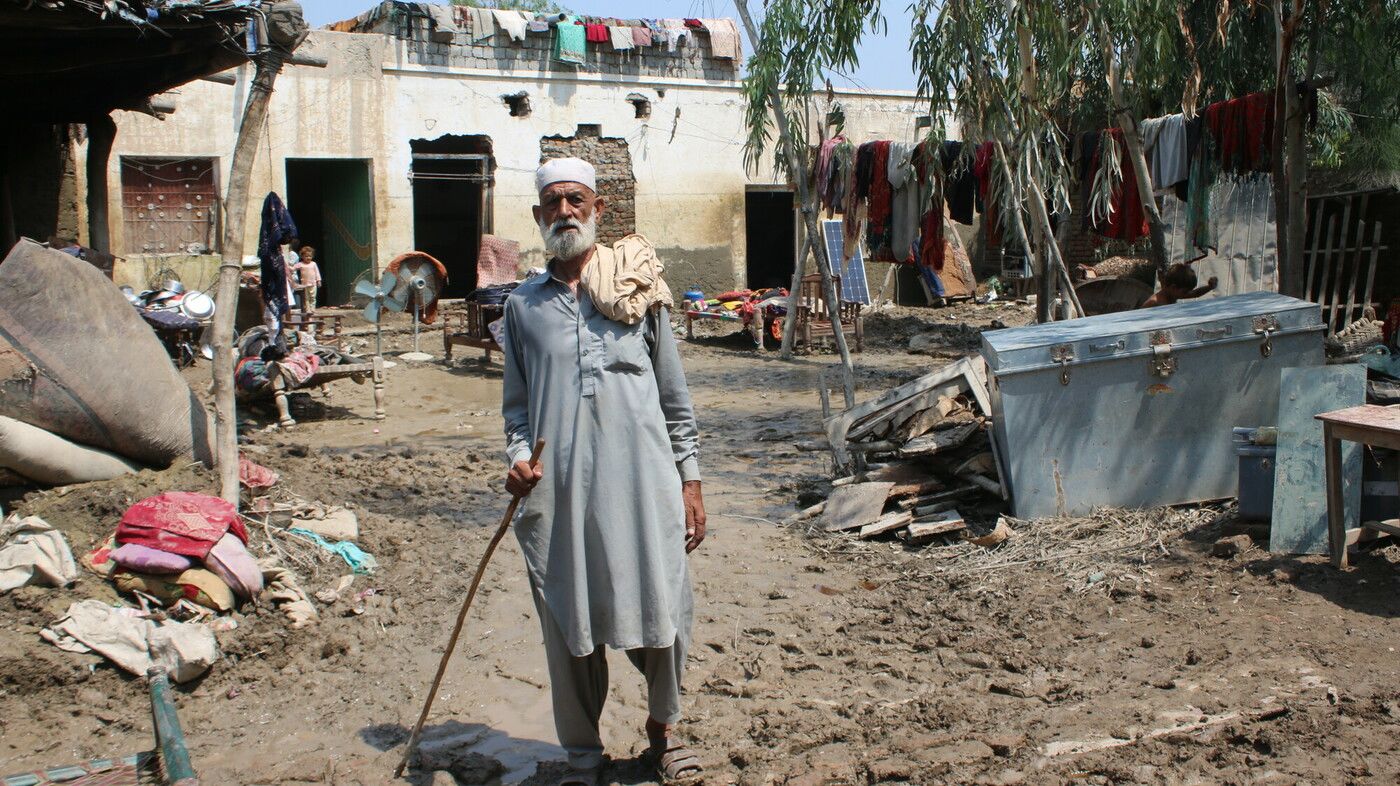
Haji, 70, found temporary shelter after the floods destroyed his home. Photo: HelpAge Pakistan. y)
Haji, 70, found temporary shelter after the floods destroyed his home. Photo: HelpAge Pakistan. y)
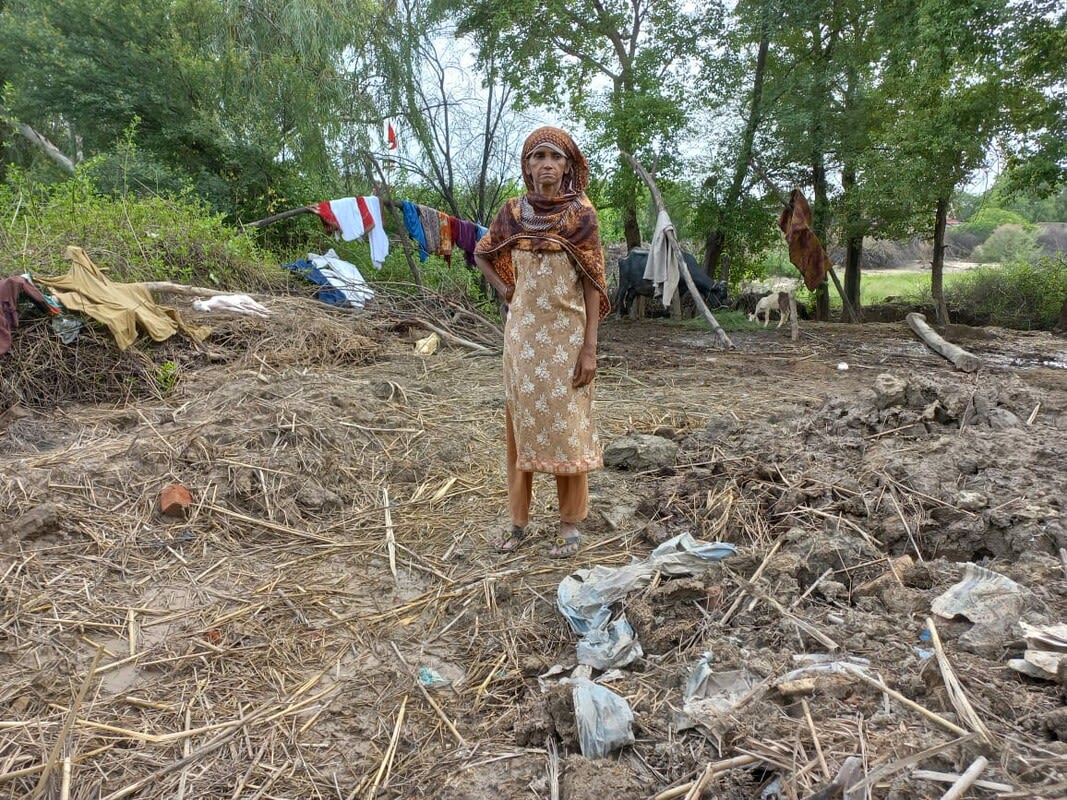
Robina, 56, lost her home in the floods. She contracted typhoid and was unable to access medication. Photo: HelpAge Pakistan.
Robina, 56, lost her home in the floods. She contracted typhoid and was unable to access medication. Photo: HelpAge Pakistan.
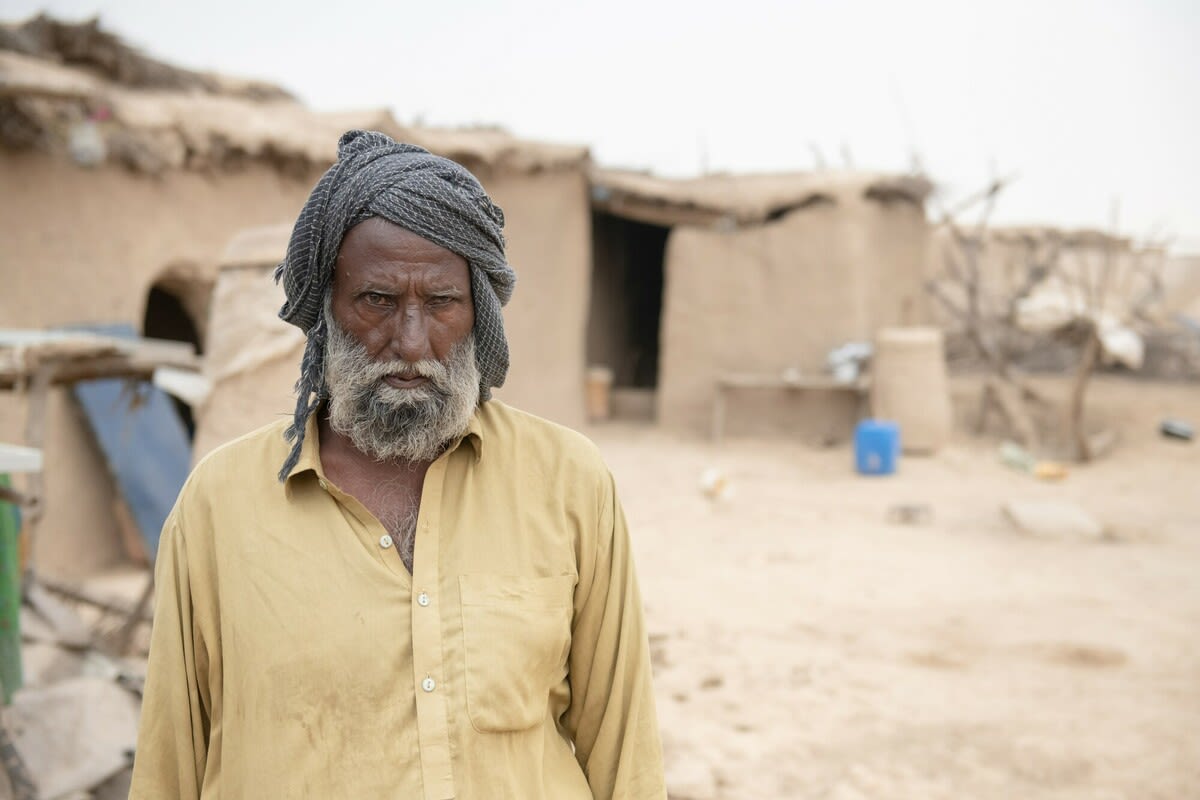
Muhammad lost his crops and livestock in the floods. Photo: Usmain Ghani/HelpAge International
Muhammad lost his crops and livestock in the floods. Photo: Usmain Ghani/HelpAge International
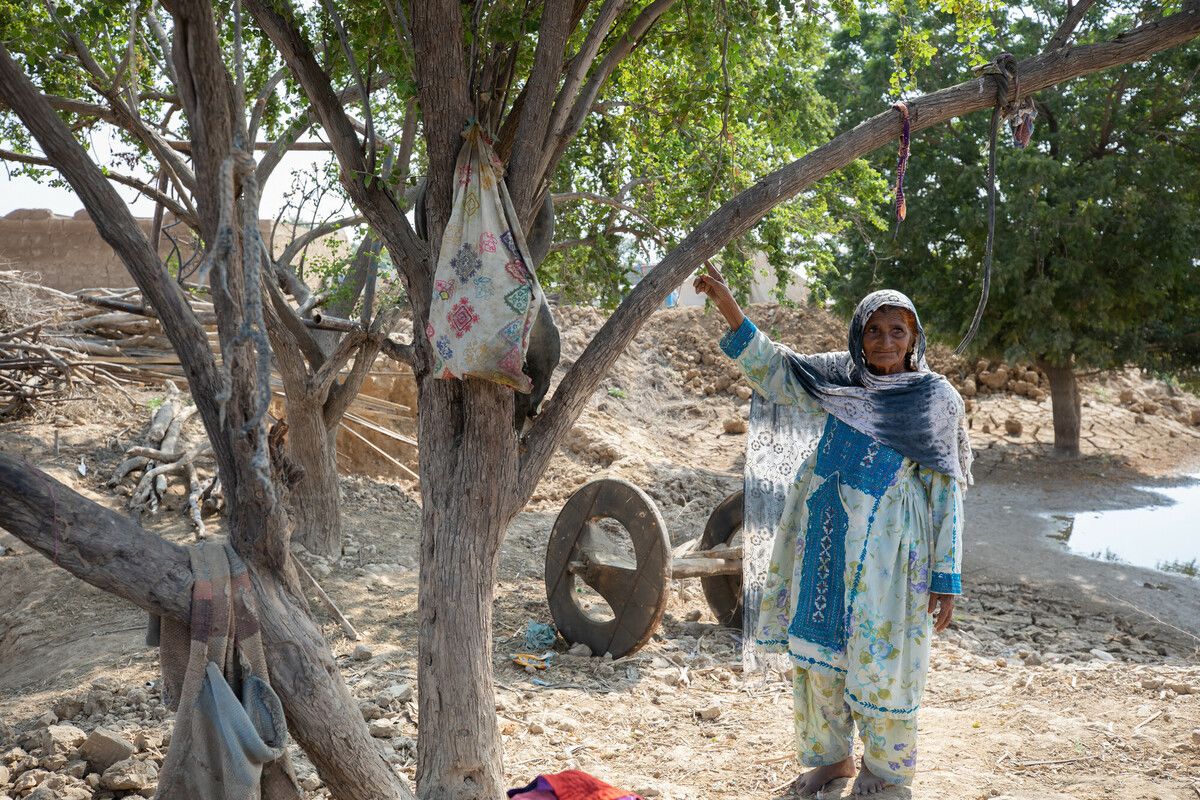
Layla, 80, points to the tree indicating how high the water level reached during the floods. Photo: Khaula Jamil/DEC
Layla, 80, points to the tree indicating how high the water level reached during the floods. Photo: Khaula Jamil/DEC
Mai, 73
Mai lives in a small village, Qadan Mashi, in the Khairpur District. Before the floods she lived with her two sons and their families in a small house, and earned an income making fans and floor mats.
Continuous rains for weeks wreaked havoc for Mai and her family as the roof started leaking, which damaged the walls and the general infrastructure of the house. Both her sons, along with their families, migrated to a different city in search of work. Mai's neighbours advised her to leave the house as they were worried the walls could collapse at any minute.
"Everyone asked me to leave my house, but I stayed here because I was alone and had nowhere to go. I already have a cyst on my neck. I haven’t been able to get any medicine for it for the last three weeks."
Mai stayed under a plastic sheet that provided shelter in heavy rains. She caught a high fever, and had to rely on homemade remedies due to the lack of medical facilities in the village.
While the majority of the community moved to safer places, one of her neighbours provided her with daily meals while she was ill. After recovering, she started washing dishes in the neighbourhood and received two meals a day.
Following the floods, HelpAge International distributed essential supplies to older people like Mai, including kitchen utensils, plastic sheeting and mosquito nets.
“My kitchen utensils and other basic things were swept away during the floods so these items are really helpful, and it gave me new hope to rebuild my house."
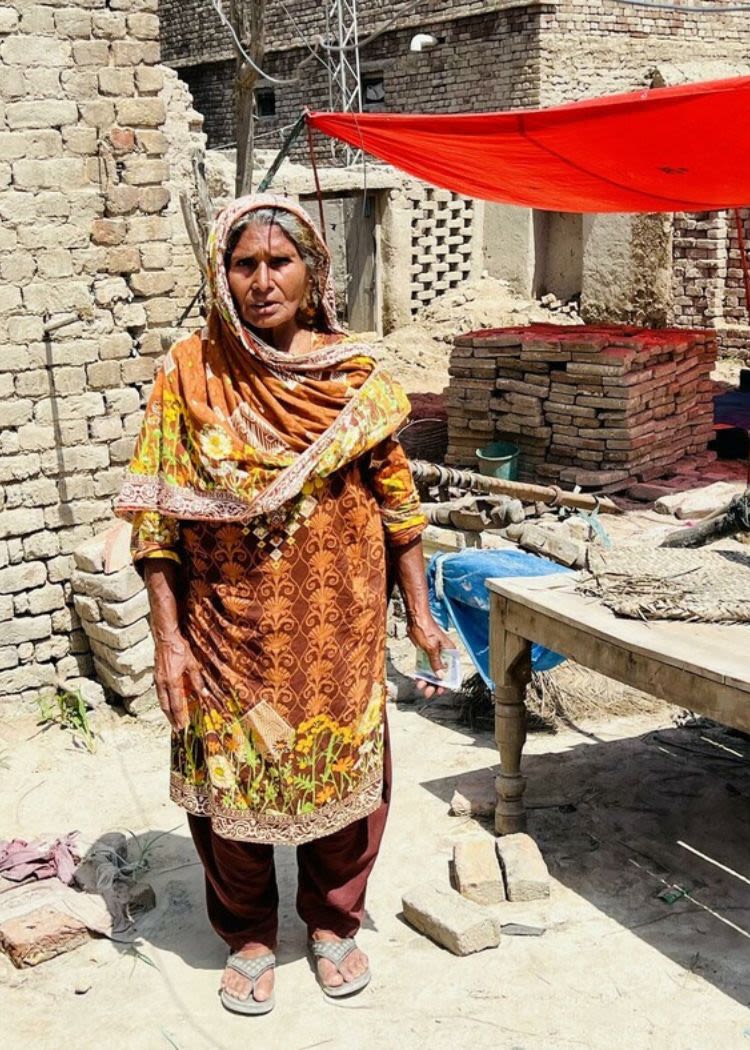
Mai earns a living making floor mats. Photo: HelpAge Pakistan.
Mai earns a living making floor mats. Photo: HelpAge Pakistan.
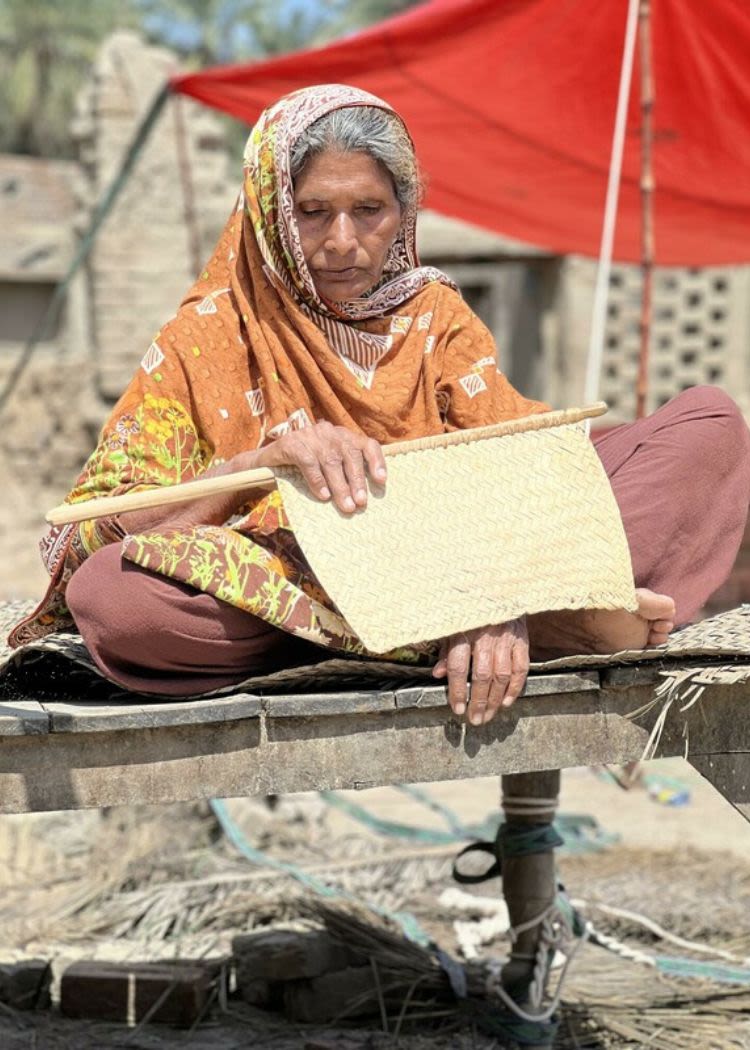
Mai earns a living making floor mats. Photo: HelpAge Pakistan
Mai earns a living making floor mats. Photo: HelpAge Pakistan

Livelihoods

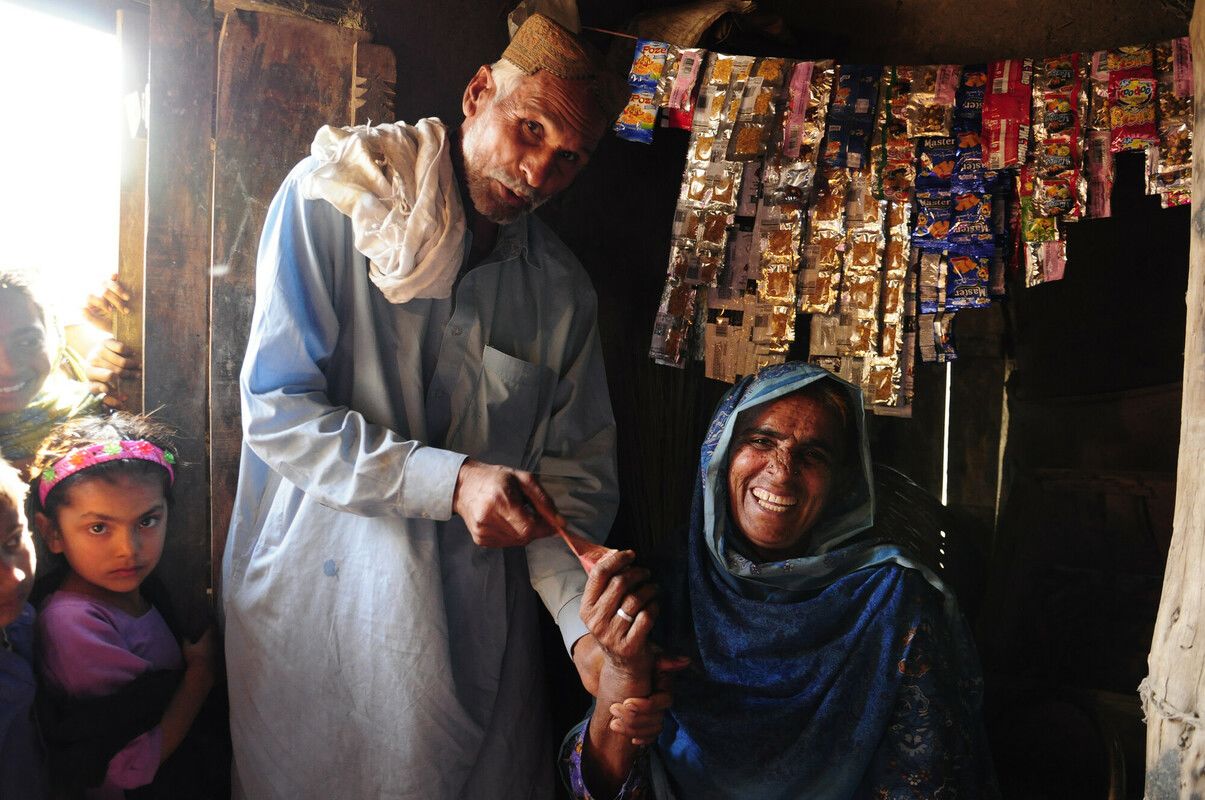
Older people running a small shop from their home. Photo: HelpAge International
Credit: Usman Ghani / HelpAge International
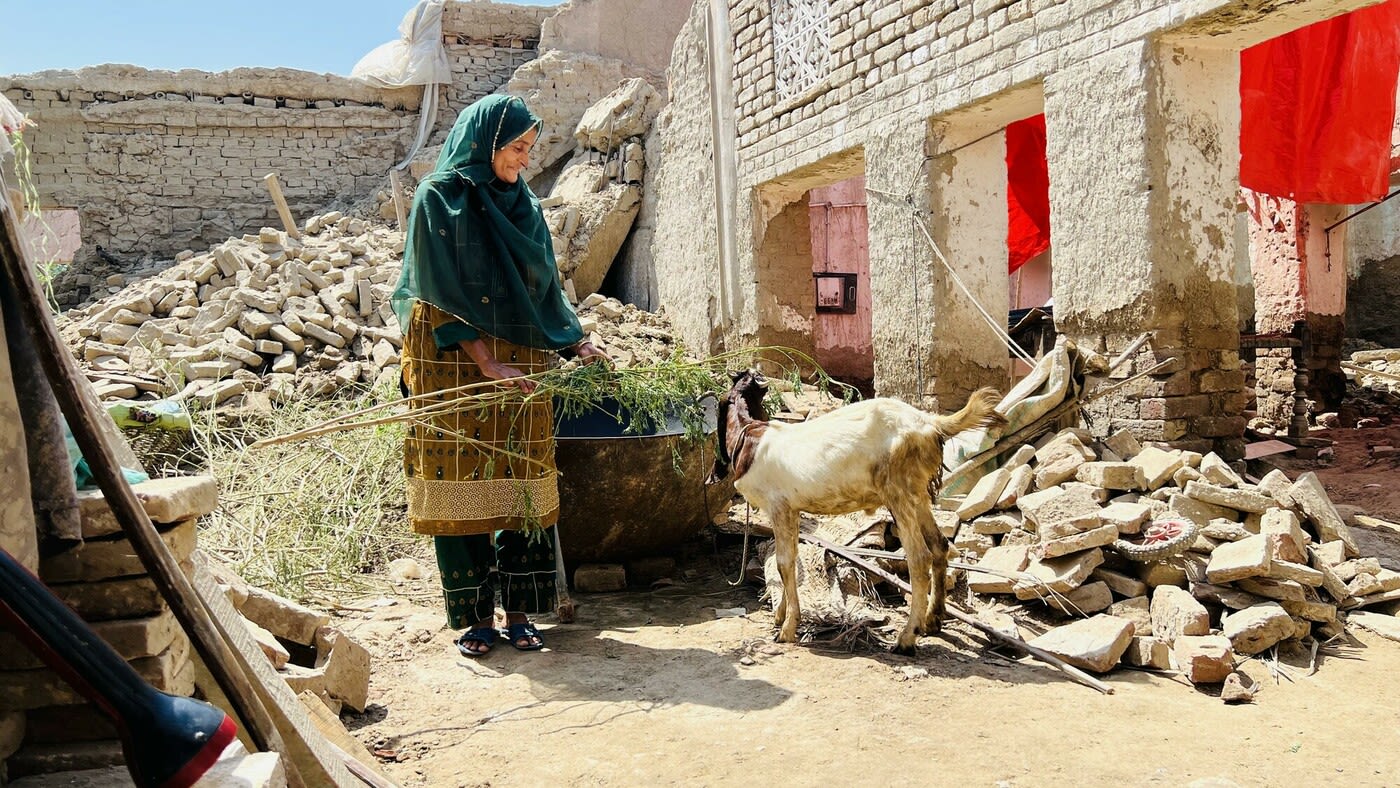
Many older people in Pakistan work in agriculture or casual labour, which means few have a steady income. Only 2.3% of older people outside the public sector have access to a pension, leaving many without a secure safety net in later life. This means that those not able to work must rely on their families, who are not always unable to provide for them, or community support to survive. Older people with disabilities, who live alone, care for children or are widowed often face further barriers to financial security due to a limited access to resources, services or work opportunities.
We work with our local partners to advocate for older people to be included in social protection policies and programmes. We are also calling for Pakistan’s financial sector to better support older people’s livelihoods. By accessing low-interest loans and training, older people can start small businesses, generate an income and become financially independent.

Rights, Voice and Inclusion
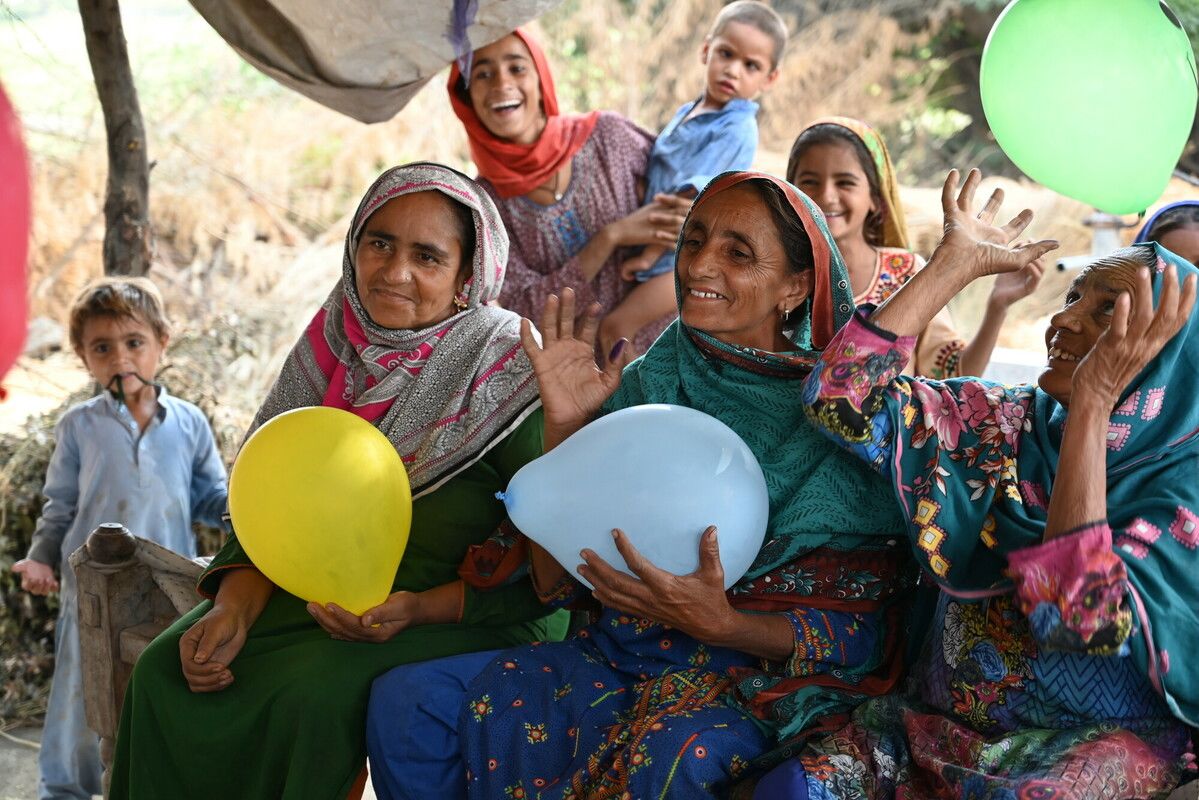
We are working alongside older people and our local partners to campaign for older people’s rights. Over 200 Older People Associations (OPAs) across four districts are delivering advocacy initiatives, humanitarian projects and building relationships with policymakers to influence change. Additionally, we work with three provincial and one National Buzurg Dost (older people’s friends) networks (BDN). They are made up of around 30 local and national organisations advocating with and for the needs and rights of older people.
Together with civil society, media, academia and OPAs, we continue to push for systemic change. This approach led to the passing of new laws to protect the rights of older people in three of the country’s provinces, with the fourth expected to follow.
HelpAge International is also a founding member of the Ageing and Disability Task Force, a network of 11 national and international organisations. Together, they work with older people and persons with disabilities to ensure they are included in humanitarian responses and disaster risk reduction activities.

Thank you
Thanks to all our UK donors who make this work possible.
Special thanks also go to Big Lottery Fund, Federal Ministry of Economic Cooperation and Development (BMZ), DEC, ECHO, UNOCHA, UNFPA, German Foreign Ministry (AA), UK Department for International Development and HelpAge Deutschland.

 Built with Shorthand